
November 17, 2025
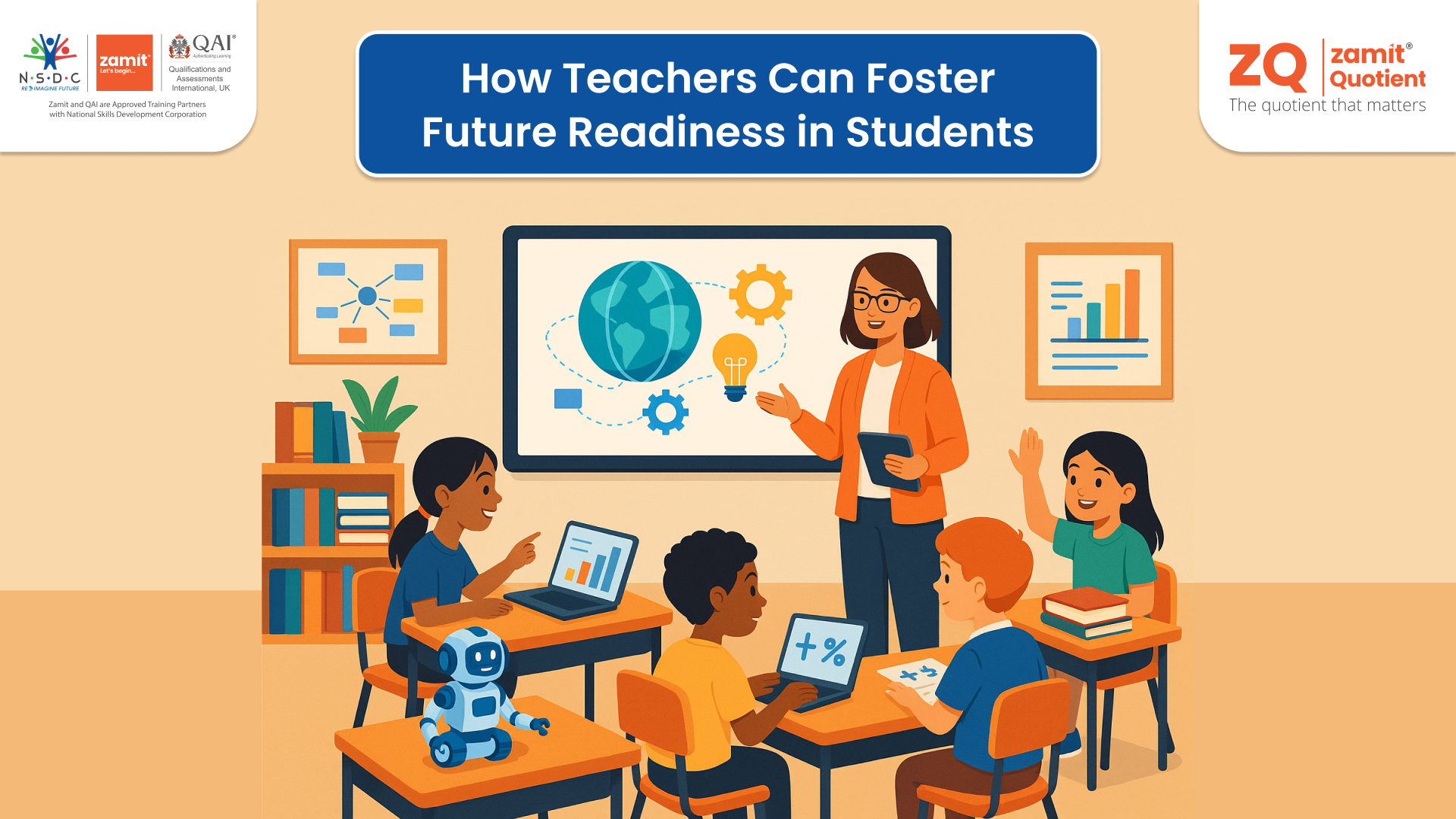
How do educators prepare a generation for a world that is more complex, globally connected, and technologically advanced than ever before? Fostering future readiness is the key to unlocking 21st-century skills and future skills for students, ensuring they thrive in dynamic careers. Let’s explore practical, engaging ways to drive student development, career readiness, skills for success, educational transformation, and adaptive learning, drawing inspiration from innovative educational tools and research.
The importance of 21st-century skills for students—like critical thinking, communication, and digital fluency—sets the stage for success in a globalized world. These skills empower students to navigate challenges, from AI-driven workplaces to sustainability roles. A 2023 OECD report highlights that schools prioritizing such skills see a 20% boost in career readiness. By embedding these competencies in lessons, you can spark future readiness and inspire student development that lasts a lifetime.
How to develop future-ready students hinges on adaptive learning—tailoring education to individual needs. Use data-driven assessments to identify strengths and gaps in 21st-century skills, creating personalized learning paths. Research from Harvard’s Project Zero (2022) shows that adaptive methods improve student development by 18%, supporting educational transformation. Try project-based tasks where students solve real-world issues, like designing eco-friendly products, to build skills for success and future readiness.
The job market is evolving—think AI specialists or green tech innovators by 2030! Future skills for students, like collaboration and innovation, are critical for this shift. A 2024 UNESCO study notes that schools teaching these skills enhance career readiness by 15%. Incorporate group challenges, such as creating a virtual startup, to foster 21st-century skills and prepare students for a shifting job market, ensuring they’re ready for what’s next.
The benefits of holistic education assessment go beyond grades, evaluating future readiness through skills like resilience and teamwork. Tools offering 360-degree insights, including peer and teacher feedback, help tailor adaptive learning. A 2023 study from Stanford’s Education Lab (Miller et al., 2023) found that holistic assessments boost student development by 22%. Use these insights to guide teaching, ensuring skills for success align with career readiness goals.
Collaboration is a cornerstone future skill for students. Design activities like team debates or cross-disciplinary projects to teach adaptability and empathy. A 2024 World Bank report indicates that collaborative learning drives educational transformation by 17%, preparing students for diverse workplaces. These efforts nurture 21st-century skills that make students versatile and ready for future readiness.
Technology is a game-changer for how to develop future-ready students. Platforms such as Zamit offering AI enabled frameworks, webinars or virtual simulations can enhance adaptive learning and 21st-century skills. A 2023 MIT study (Chen, 2023) shows tech-integrated education improves student development by 19%. Encourage students to use apps for coding or global collaboration, boosting career readiness in a digital age.
Partnering with parents and communities amplifies future skills for students. Share progress reports to spark discussions on 21st-century skills at home, fostering a supportive ecosystem. A 2022 Cambridge study (Taylor, 2022) found that community involvement enhances educational transformation by 20%. This collective effort strengthens skills for success and future readiness.
Regularly assess future readiness to celebrate wins and refine teaching strategies through relevant Professional Development. Feedback loops, as supported by a 2024 Indian Journal of Educational Research study (Gupta, 2024), boost motivation and student development by 16%. Use tools that analysis and track 21st-century skills such a ZQ, to ensure adaptive learning evolves, keeping students on the path to career readiness.
Your growth as an educator is crucial. Engage in professional development to master 21st-century skills teaching, aligning with educational transformation. Platforms like those offering teacher-focused assessments can guide you, as noted in global studies. You’re the catalyst for how to develop future-ready students—let’s make it happen!
Ready to shape the future? Start with small steps—integrate 21st-century skills through projects, use holistic education assessment, and engage your community. Platforms like Zamit offer resources to inspire your journey. Let’s build future readiness and watch your students soar!
– OECD (2023). Education at a Glance 2023. OECD Publishing.
– Harvard Project Zero (2022). Learning to Think, Thinking to Learn. Harvard University Press.
– Miller, T., et al. (2023). Stanford Education Lab Report, 15(2), 101-115.
– UNESCO (2024). Global Education Monitoring Report 2024. UNESCO Publishing.
– Chen, L. (2023). MIT Educational Studies, 12(3), 89-103.
– Taylor, S. (2022). Cambridge Journal of Education, 52(4), 123-137.
– Gupta, N. (2024). Indian Journal of Educational Research, 12(1), 78-92. Top of Form