Future Readinessdxc

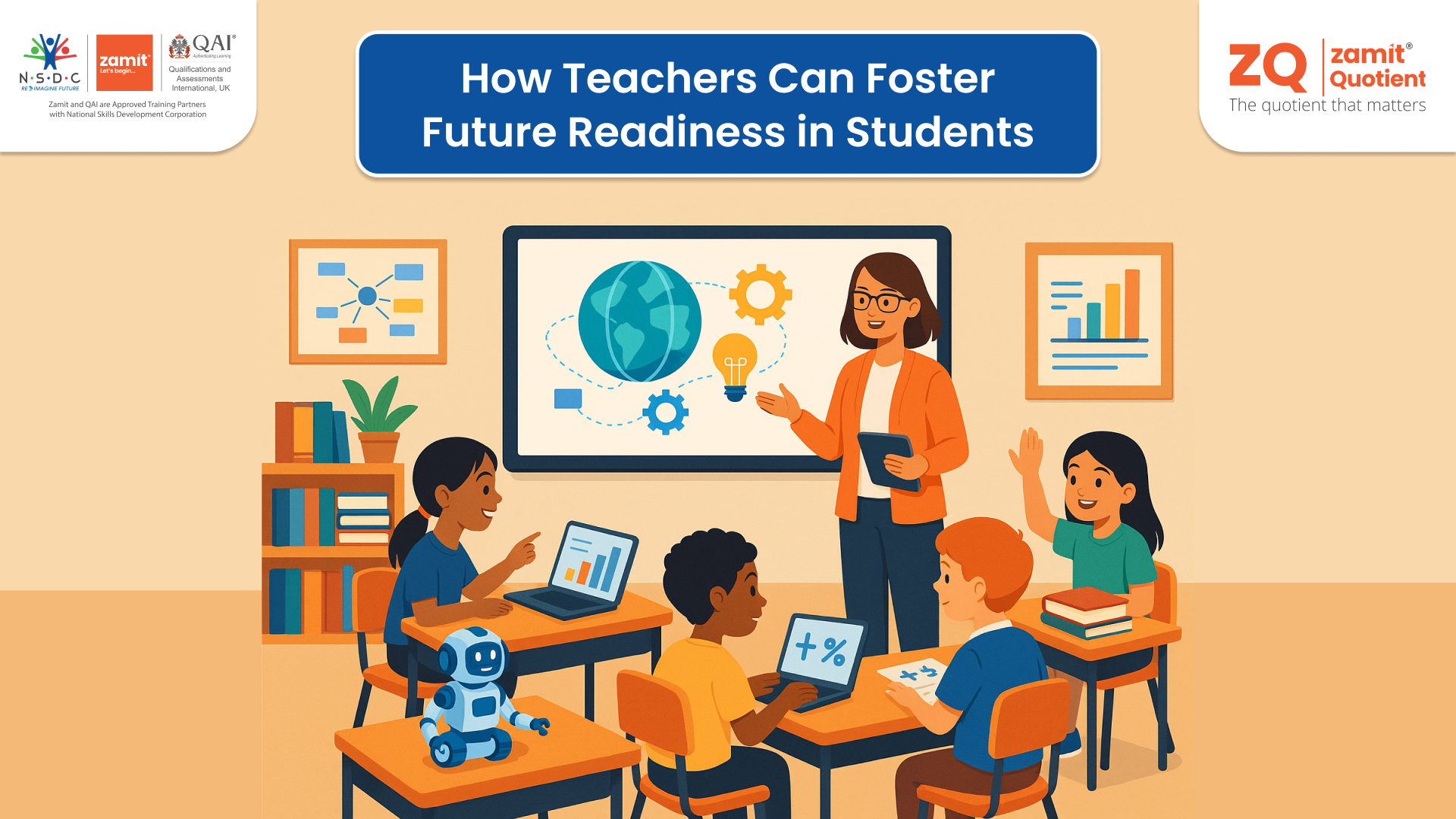
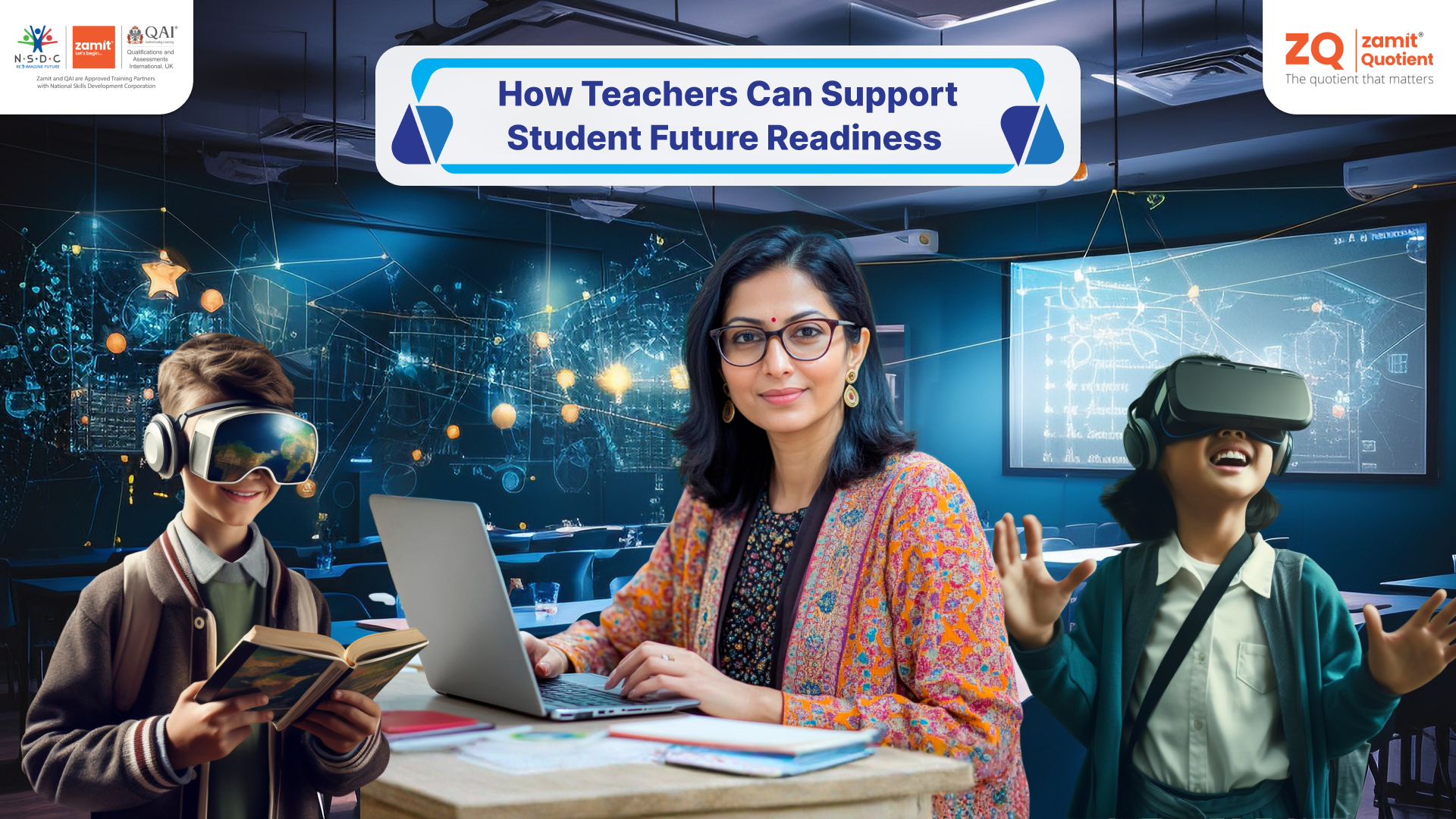
How Teachers Can Foster Future Readiness in Students

How Teachers Can Foster Future Readiness in Students  How do educators prepare a generation for a world that is more complex, globally connected, and technologically advanced than ever before? Fostering future readiness is the key to unlocking 21st-century skills and future skills for students, ensuring they thrive in dynamic careers. Let’s explore practical, engaging ways to drive student development, career readiness, skills for success, educational transformation, and adaptive learning, drawing inspiration from innovative educational tools and research.  The Importance of 21st-Century Skills for Students  The importance of 21st-century skills for students—like critical thinking, communication, and digital fluency—sets the stage for success in a globalized world. These skills empower students to navigate challenges, from AI-driven workplaces to sustainability roles. A 2023 OECD report highlights that schools prioritizing such skills see a 20% boost in career readiness. By embedding these competencies in lessons, you can spark future readiness and inspire student development that lasts a lifetime.  How to Develop Future-Ready Students Through Adaptive Learning  How to develop future-ready students hinges on adaptive learning—tailoring education to individual needs. Use data-driven assessments to identify strengths and gaps in 21st-century skills, creating personalized learning paths. Research from Harvard’s Project Zero (2022) shows that adaptive methods improve student development by 18%, supporting educational transformation. Try project-based tasks where students solve real-world issues, like designing eco-friendly products, to build skills for success and future readiness.  Future Skills for a Shifting Job Market  The job market is evolving—think AI specialists or green tech innovators by 2030! Future skills for students, like collaboration and innovation, are critical for this shift. A 2024 UNESCO study notes that schools teaching these skills enhance career readiness by 15%. Incorporate group challenges, such as creating a virtual startup, to foster 21st-century skills and prepare students for a shifting job market, ensuring they’re ready for what’s next.  Benefits of Holistic Education Assessment  The benefits of holistic education assessment go beyond grades, evaluating future readiness through skills like resilience and teamwork. Tools offering 360-degree insights, including peer and teacher feedback, help tailor adaptive learning. A 2023 study from Stanford’s Education Lab (Miller et al., 2023) found that holistic assessments boost student development by 22%. Use these insights to guide teaching, ensuring skills for success align with career readiness goals.  Fostering Collaboration and Adaptability in Classrooms  Collaboration is a cornerstone future skill for students. Design activities like team debates or cross-disciplinary projects to teach adaptability and empathy. A 2024 World Bank report indicates that collaborative learning drives educational transformation by 17%, preparing students for diverse workplaces. These efforts nurture 21st-century skills that make students versatile and ready for future readiness.  Leveraging Technology for Student Development  Technology is a game-changer for how to develop future-ready students. Platforms such as Zamit offering AI enabled frameworks, webinars or virtual simulations can enhance adaptive learning and 21st-century skills. A 2023 MIT study (Chen, 2023) shows tech-integrated education improves student development by 19%. Encourage students to use apps for coding or global collaboration, boosting career readiness in a digital age.  Engaging Parents and Communities  Partnering with parents and communities amplifies future skills for students. Share progress reports to spark discussions on 21st-century skills at home, fostering a supportive ecosystem. A 2022 Cambridge study (Taylor, 2022) found that community involvement enhances educational transformation by 20%. This collective effort strengthens skills for success and future readiness.  Tracking Progress for Continuous Improvement  Regularly assess future readiness to celebrate wins and refine teaching strategies through relevant Professional Development. Feedback loops, as supported by a 2024 Indian Journal of Educational Research study (Gupta, 2024), boost motivation and student development by 16%. Use tools that analysis and track 21st-century skills such a ZQ, to ensure adaptive learning evolves, keeping students on the path to career readiness.  Empowering Teachers for Educational Transformation  Your growth as an educator is crucial. Engage in professional development to master 21st-century skills teaching, aligning with educational transformation. Platforms like those offering teacher-focused assessments can guide you, as noted in global studies. You’re the catalyst for how to develop future-ready students—let’s make it happen!  Take Action Today  Ready to shape the future? Start with small steps—integrate 21st-century skills through projects, use holistic education assessment, and engage your community. Platforms like Zamit offer resources to inspire your journey. Let’s build future readiness and watch your students soar!  References:    – OECD (2023). Education at a Glance 2023. OECD Publishing.    – Harvard Project Zero (2022). Learning to Think, Thinking to Learn. Harvard University Press.    – Miller, T., et al. (2023). Stanford Education Lab Report, 15(2), 101-115.    – UNESCO (2024). Global Education Monitoring Report 2024. UNESCO Publishing.    – Chen, L. (2023). MIT Educational Studies, 12(3), 89-103.    – Taylor, S. (2022). Cambridge Journal of Education, 52(4), 123-137.    – Gupta, N. (2024). Indian Journal of Educational Research, 12(1), 78-92. Top of Form 

Read More
Top Future Career Paths in Tech & Innovation |Educator Guidedxc

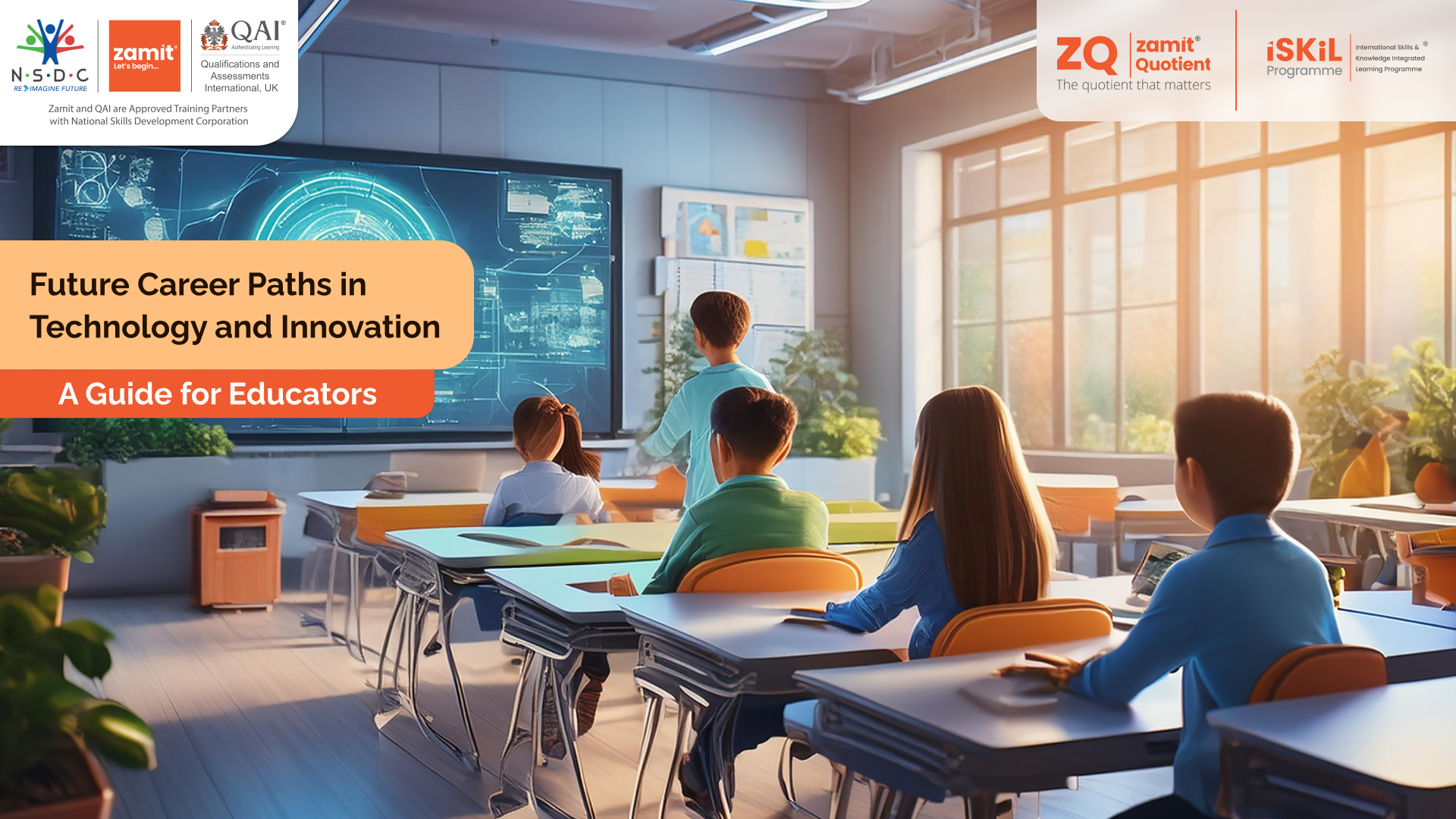
Future Career Paths in Technology and Innovation: A Guide for Educators 

Future Career Paths in Technology and Innovation: A Guide for Educators The world of work is undergoing one of the most rapid transformations in history, driven by advances in technology and innovation. According to the World Economic Forum’s Future of Jobs Report, nearly half of all current job roles are expected to be reshaped by automation, artificial intelligence (AI), and emerging technologies over the next decade. For educators, this means preparing today’s learners with the future skills for students that will enable them to thrive in tomorrow’s competitive job market. Understanding the top future career paths in technology and innovation is the first step toward building future-ready students. Why Future Career Paths Matter The World Economic Forum highlights that careers in fields like AI, cloud computing, data science, cybersecurity, biotechnology, and renewable energy are poised to grow significantly. At the same time, roles requiring creative problem-solving, adaptability, and critical thinking will remain in demand. This is why identifying future career paths early is essential. Educators who equip students with both technical literacy and 21st-century skills give them the agility to adapt to roles that may not even exist yet. The importance of 21st-century skills for students—such as collaboration, communication, and ethical decision-making—cannot be overstated. Top Future Career Paths in Technology and Innovation Some of the most promising future career paths for students include: 1. Artificial Intelligence & Machine Learning Specialists AI and ML are transforming industries from healthcare to entertainment. Students interested in this path need analytical skills, coding knowledge, and continuous learning habits. Educators can integrate coding projects and problem-solving exercises to prepare them for this high-demand future career path. 2. Data Analysts & Data Scientists Data is now the backbone of decision-making. One of the most lucrative future career paths lies in data analytics. Students benefit from exposure to statistics, mathematics, and ethical use of data, combined with curiosity and inquiry-based learning. 3. Cybersecurity Analysts With digital threats increasing, cybersecurity is among the fastest-growing future career paths. Schools can introduce simulations, coding clubs, and discussions on digital ethics to prepare students for roles safeguarding organizational data. 4. Renewable Energy Engineers Sustainability and climate goals are creating demand for renewable energy specialists. This future career path combines science, innovation, and social responsibility. Educators can support students by linking environmental science lessons with real-world sustainability projects. 5. Healthcare Technologists Healthcare is shifting toward biotechnology, telemedicine, and robotics. Students entering this future career path need both technical expertise and soft skills like empathy and teamwork. Educators can nurture this balance through role-based learning and communication training. 6. Robotics Engineers & Automation Specialists Automation is reshaping industries such as manufacturing, logistics, and education. Robotics is one of the most exciting future career paths, requiring creativity, engineering, and critical thinking. Educators can foster these abilities through project-based STEM activities. 7. Creative Industries & Digital Media Professionals Digital storytelling, UX design, and gaming highlight how creativity and technology intersect. This future career path is ideal for students with artistic inclinations. Teachers can encourage portfolios, creative challenges, and digital fluency to help students thrive. Developing Future Skills for Student Success To succeed in these future career paths, students need more than subject knowledge—they need future readiness. Educators can prepare learners through: Platforms such as Zamit support this transformation with tools like the Zamit Quotient (ZQ) and iSKiL, enabling schools to benchmark and develop the future skills for students required to excel in technology-driven careers. The Role of Educators in Shaping Future Career Paths Educators are no longer just transmitters of knowledge but facilitators of career readiness. By drawing on global research—such as OECD’s Education 2030 framework and the WEF’s future skills agenda—teachers can help students develop the skills for success that employers consistently rank as top priorities. To support students, teachers themselves must engage in continuous professional development.  To achieve this, schools should: When educators actively highlight future career paths, students gain the confidence and clarity to pursue meaningful opportunities. Building a Future-Ready Education System Preparing students for future career paths requires bridging the gap between classroom learning and real-world applications. Schools that embrace partnerships with industries and edtech platforms give students access to mentorship, internships, and authentic learning experiences. By embedding these practices, educators ensure that students are not just academically capable but also resilient, adaptable, and ready for diverse future career paths in technology and innovation. FAQs on Future Career Paths in Technology and Innovation Q1. What are the most important 21st-century skills for students?Critical thinking, adaptability, creativity, collaboration, and digital literacy are essential for success in all future career paths. Q2. How can educators develop future-ready students?By integrating project-based learning, fostering resilience, and emphasizing real-world applications, teachers can prepare learners for evolving future career paths. Q3. Why is holistic education assessment important?It goes beyond academics, measuring employability and life skills, ensuring students are ready for diverse future career paths. Q4. Which technology careers are growing the fastest?Artificial intelligence, machine learning, data science, cybersecurity, biotechnology, renewable energy, and robotics are among the top future career paths. Q5. How can schools align with global research?By adopting frameworks like WEF’s Future of Jobs and OECD’s Education 2030, and using platforms like Zamit’s CPD and iTERM, schools can align teaching with global future career paths research. Conclusion The future belongs to students prepared for change. By highlighting future career paths in technology and innovation, embedding 21st-century skills into the curriculum, and using holistic assessment, educators empower students to thrive in a rapidly changing world. Educators who embrace this responsibility are not just teaching—they are shaping the next generation of innovators, leaders, and problem-solvers ready to succeed in the most promising future career paths.

Read More
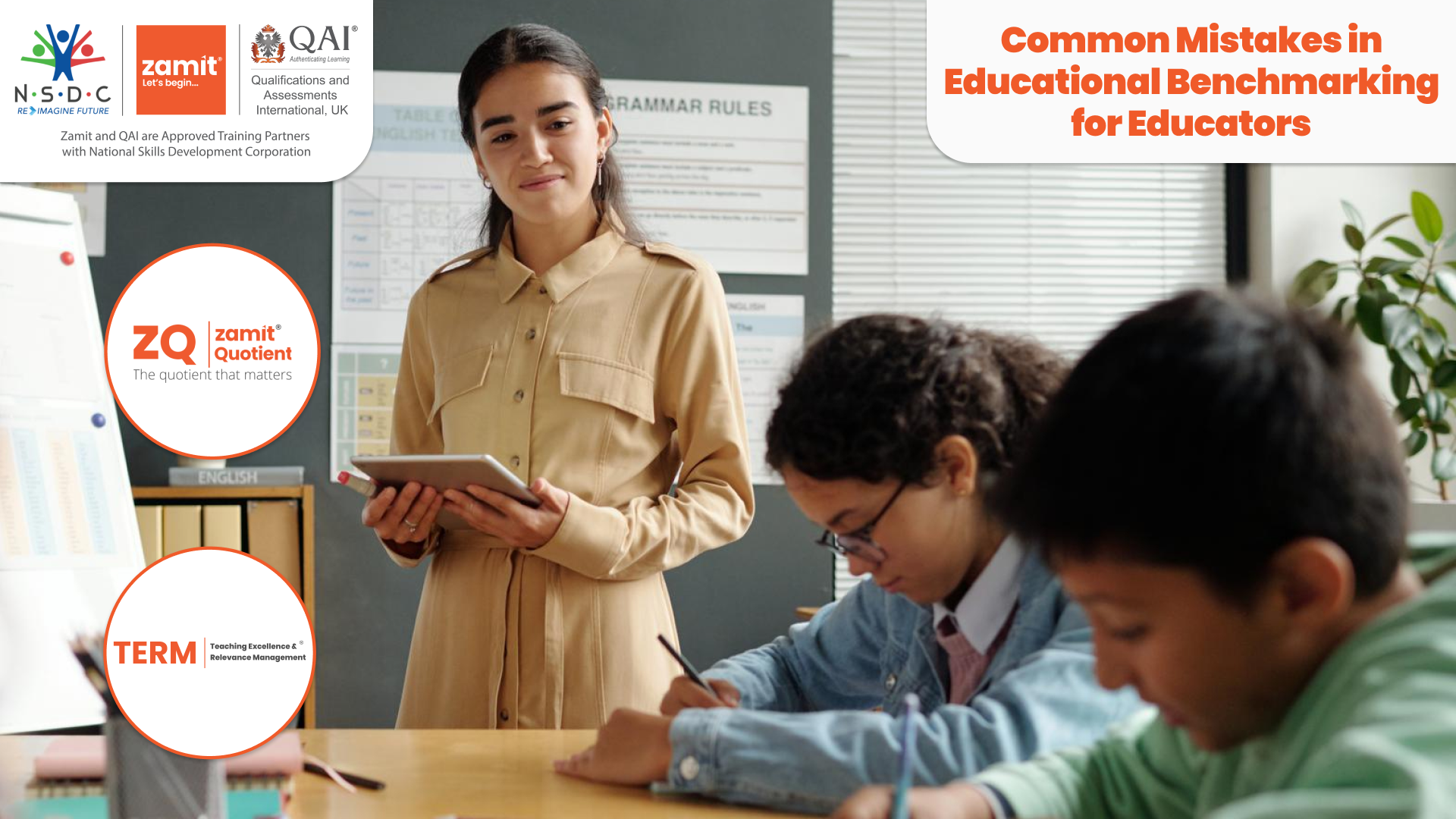
Benchmarking in education cover image showing a teacher guiding students in a classroom, with focus on common mistakes educators make and tools like Zamit Quotient (ZQ) and TERM for improvement.dxc

Common Mistakes in Benchmarking in Education: A Guide for Educators

Common Mistakes in Benchmarking in Education: A Guide for Educators Arthur C. Clarke, the great science fiction writer, once observed that cave dwellers froze to death on beds of coal—lying on the very resource that could have saved their lives. But they had no way to find the coal, mine it, or use it. Today, several millennia later, a similar phenomenon is happening again —this time, in education.—Peter Lui Our K–12 education system is often resting on outdated philosophies of so-called “best practices.” One such area is benchmarking in education. While benchmarking can drive transformation, improve school performance, and enhance skills for success, it can easily fail if not done correctly. For benchmarking to be a true best practice, it must be implemented strategically and contextually. This article explores the common mistakes educators make in benchmarking and provides insights—drawing on NEP 2020, National Professional Standards for Teachers, and Zamit’s educational resources—on how to avoid these pitfalls. Mistake 1: Setting Unrealistic Goals  One big pitfall is setting goals that are too ambitious without a clear plan. Benchmarking should align with future readiness and adaptive learning, but expecting instant mastery of 21st-century skills can overwhelm your team. Garcia (2021) in the Journal of Educational Research found that schools with realistic, phased goals saw a 15% higher improvement in student development, a principle echoed in NEP 2020’s focus on gradual competency building.  Mistake 2: Ignoring Contextual Differences  Comparing your school to a top performer without considering context can lead to frustration. Every school has unique needs, and Future Skills for Students, emphasises tailoring benchmarks to your environment for educational transformation. Miller and Chen (2022) in Educational Policy Review note that ignoring local factors like resources aligns with National Professional Standards, which stress context-aware teaching, affecting career readiness.  Mistake 3: Overlooking Teacher Involvement  Teachers are key to skills for success, yet they’re often sidelined in benchmarking. Engaging them with relevant CPDs and fostering adaptive learning aligns with National Professional Standards’ that emphasis on teacher agency. A Zamit.one blog highlights how teacher collaboration boosts 21st-century skills development, while Thompson (2023) in Teacher Education Quarterly shows a 20% better outcome with active participation.  Mistake 4: Focusing Solely on Quantitative Data  Relying only on test scores misses the holistic view. Holistic education assessment requires qualitative insights, like engagement, to support career readiness, as advocated by NEP 2020. The Future Skills for Students stresses balancing metrics, and Lee (2020) in Assessment in Education notes a 10% drop in skills for success perception with overemphasis on numbers.  Mistake 5: Neglecting Continuous Review  Benchmarking is a cycle of adaptive learning, not a one-time event. Failing to review progress regularly stalls educational transformation and future readiness, contrary to NEP 2020’s call for ongoing assessment. Patel and Singh (2021) in Journal of School Improvement found an 18% improvement with frequent checks.  Mistake 6: Underestimating Resource Needs  Jumping into benchmarking without resources like training can hinder skills for success. This aligns with National Professional Standards’ focus on teacher support, and educators recommend tools like the Zamit Quotient (ZQ). Brown (2022) in Educational Technology Journal highlights a 25% lower success rate in career readiness with under-resourcing.  Mistake 7: Lack of Stakeholder Communication  Not keeping parents and students informed creates resistance. Educational transformation relies on transparency, a principle in NEP 2020’s community engagement goals. Furthermore, Kumar (2023) in Educational Leadership Review reports a 30% increase in trust with strong communication.  Learning from These Mistakes  Avoiding these pitfalls turns benchmarking into a tool for future readiness. Reflect on past efforts—where did you slip? Zamit offer certified benchmarking tools, like using ZQ for students and TERM for teachers, aligning with NEP 2020 for a collaborative approach. Communicate with stakeholders to keep everyone engaged in student development.  Take Action Today  Ready to refine your benchmarking? Start with a small goal and visit Zamit! Your students’ future readiness depends on it—let’s do this together!  FAQs on Benchmarking in Education 1. What is the biggest mistake in educational benchmarking?Setting unrealistic goals without a clear plan can hinder progress, as highlighted in NEP 2020. 2. How can I involve teachers in benchmarking?Engage them using tools like TERM and professional standards frameworks to strengthen teacher agency. 3. Why is context important in benchmarking?Ignoring context leads to ineffective outcomes and undermines career readiness. 4. How often should benchmarking progress be reviewed?Ideally, benchmarking should be reviewed quarterly to ensure progress is on track. References: 

Read More
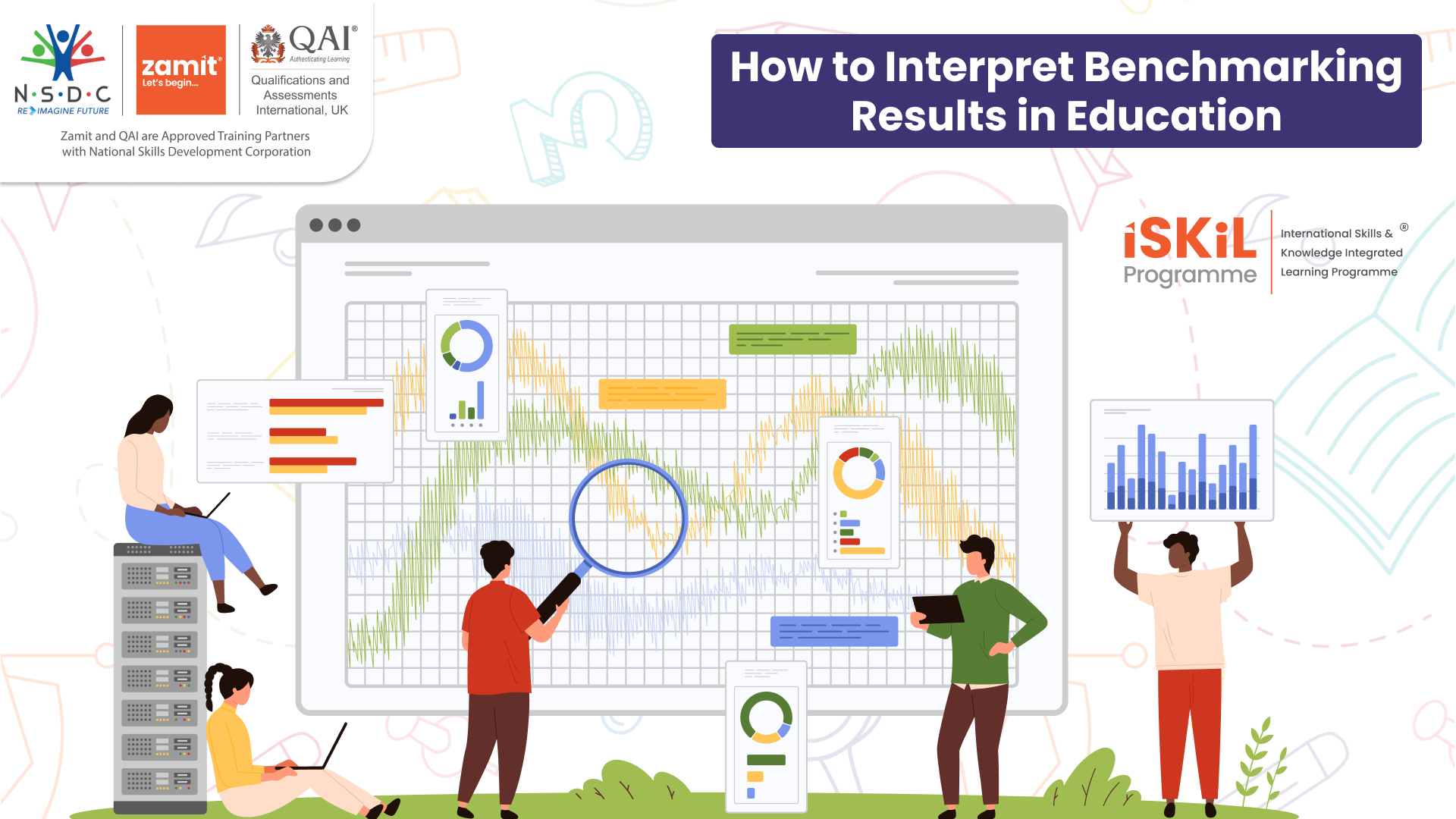
Illustration showing students and educators using data to enhance future readiness through educational benchmarking tools.dxc

Future Readiness Through Benchmarking: A Guide for Schools

Future Readiness Through Benchmarking: A Guide for Schools Breaking Down Benchmarking Results: Key Steps for Schools  1. Understand What Is Being Measured  Start by analysing the parameters of your benchmarking report. For example, Zamit’s benchmarks assess areas such as future readiness, communication, adaptability, and critical thinking. Recognize whether the report reflects cognitive skills, emotional intelligence, or broader future skills for students.  Ask:  2. Identify Strengths and Gaps  Highlight areas where your school excels. Are your students demonstrating strong adaptive learning? Are they collaborative and innovative?  Then, pinpoint gaps that need addressing. Perhaps students struggle with creativity or global awareness – skills essential for educational transformation.  Zamit’s blog on Benchmarking in Education (Zamit Blog) stresses that schools should see gaps not as failures but as opportunities to design targeted interventions.  Turning Data Into Action: A Future-Ready Approach  3. Contextualize Your Results  Benchmarking data gains meaning when placed in context. Compare your school’s results with:  This perspective allows you to align your goals with the future skills for students that industries and higher education demand.  4. Prioritise Key Skills for Success  Focus on the most critical competencies. For example:  Use tools like Zamit’s iSKiL End of Course Report to align teaching and learning with 21st-century skills frameworks.  Best Practices for Interpreting Benchmarking Data  From Insight to Impact: The Path Ahead  The ultimate goal of benchmarking is not just comparison but transformation. By analysing and acting on results, schools can:  As Zamit’s research shows, institutions that embrace benchmarking as part of their DNA prepare learners to adapt to change, solve real-world problems, and become leaders in an uncertain future.  Conclusion: Benchmarking as a Catalyst for Educational Transformation  Interpreting benchmarking results is an art and a science. When done well, it empowers schools to nurture future-ready students with the mindset and competencies needed in the 21st century.  By leveraging insights from reports like Zamit’s iSKiL and engaging with frameworks highlighted by UNE, educators can transform challenges into opportunities and make meaningful strides toward holistic student development.  Benchmarking isn’t just about data. It’s about reimagining education for a world that demands agility, creativity, and lifelong learning.  Explore More: Read Zamit’s latest blog on Benchmarking in Education to discover how schools can stay ahead in fostering future readiness.  Related Report: Zamit iSKiL End of Course Report  Reference: UNE Benchmarking Overview 

Read More
TERM for Teachers by Zamit – Empowering educators with 21st-century teaching skills and professional development tools for future-ready classroomsdxc

TERM for Teachers: What You Need to Know 

TERM for Teachers: What You Need to Know  Educators today are navigating a landscape where the demands on teaching are higher than ever. With technology, globalisation, and evolving career paths reshaping the future, the pressure is on to prepare students for what’s next. Enter TERM—Teaching Excellence and Relevance Management—a transformative tool from Zamit designed to empower teachers. As detailed on Zamit’s Measure Teaching Excellence page, TERM assesses over 80 teaching skills across nine dimensions, ensuring you remain relevant while fostering student growth. Let’s explore why TERM is essential for modern educators and how it aligns with global and national imperatives for professional development.  Why TERM Matters in Today’s Classroom  The role of a teacher extends far beyond delivering lessons—it’s about equipping students for a dynamic world. Zamit emphasises that TERM is more than an assessment; it’s a growth framework. By evaluating skills like classroom management, innovation, and digital literacy, TERM ensures you’re prepared to address the importance of 21st-century skills for students, such as critical thinking and collaboration. Global studies underscore this need: a 2023 OECD report found that teachers engaging in regular CPD were 40% more effective in improving student outcomes, particularly in adaptability and problem-solving—skills vital for the future workforce.  In India, the National Education Policy (NEP) 2020, updated in 2025, mandates 50 hours of CPD annually for teachers, emphasising upskilling to meet modern challenges. TERM aligns seamlessly with this policy, offering a structured way to enhance your teaching while ensuring how to develop future-ready students becomes a reality. It’s not just about staying relevant—it’s about leading the charge in educational transformation.  A Comprehensive Tool for Professional Growth  TERM’s strength lies in its depth. As Zamit’s Measure Teaching Excellence page explains, it uses AI-driven analysis to assess your teaching across dimensions like communication, leadership, and student engagement. After completing the online assessment, you receive a detailed report with a score plus personalised improvement plans. This isn’t a generic evaluation—it’s tailored to your unique strengths and gaps, offering benefits of holistic education assessment for your professional development.  Imagine discovering that your classroom engagement scores are high, but your use of technology needs work. TERM provides resources—like webinars on digital tools—to bridge that gap. This targeted approach ensures you’re not just teaching but excelling, directly impacting how to develop future-ready students who thrive in a tech-driven world. Global evidence supports this: a 2024 UNESCO study found that teachers who engage in CPD focused on technology integration saw a 30% increase in student digital literacy, a key 21st-century skill.  Developing Future Skills for Student Success  TERM isn’t just about you—it’s about your students. By refining your teaching, you directly enhance future skills for students. The importance of 21st-century skills for students—like creativity, resilience, and collaboration—cannot be overstated. TERM equips you to teach these skills effectively. For example, if your TERM report highlights a need for better inquiry-based teaching, you might introduce project-based learning, encouraging students to solve real-world problems. This fosters critical thinking, ensuring how to develop future-ready students becomes a tangible outcome.  Zamit also integrates TERM with its Zamit Quotient (ZQ) for students, creating a powerful synergy. While TERM enhances your teaching, ZQ measures student progress in 21st-century skills. Together, they offer benefits of holistic education assessment, ensuring both you and your students grow. A teacher in Delhi using TERM reported a 25% improvement in student collaboration after adopting TERM-recommended group activities, proving its impact on future skills for students.  Aligning with NEP 2025 and Global Standards  India’s NEP 2020, updated in 2025, places CPD at the heart of educational reform. The policy requires teachers to complete 50 hours of CPD annually, focusing on areas like technology, pedagogy, and inclusive education. TERM meets this mandate head-on, offering a streamlined way to fulfil CPD requirements while enhancing your practice. It’s not just compliance—it’s growth. A 2022 World Bank study found that teachers who engage in structured CPD, like TERM, improve student engagement by 35%, aligning with global standards for educational excellence.  TERM’s alignment with global and national goals ensures you remain relevant in a fast-changing world. The OECD report also noted that CPD-focused teachers were better equipped to handle disruptions, like those seen during the pandemic, highlighting the need for ongoing learning. TERM makes this accessible, offering resources and workshops that fit into your schedule, ensuring you’re always ready to address the importance of 21st-century skills for students.  Practical Steps for Educators  So, how do you start with TERM? Visit Zamit and take the TERM assessment—it’s quick and insightful. Use your report to identify areas for growth, like integrating technology or fostering inclusivity. Join Zamit’s CPD programs, which count toward NEP 2025 requirements, to build skills for success in your teaching. Share your TERM insights with colleagues to foster a culture of growth in your school.  TERM isn’t just a tool—it’s a partner in how to develop future-ready students. By leveraging its benefits of holistic education assessment, you ensure both you and your students thrive. The future demands adaptability, and TERM equips you to lead the way, shaping students who excel with 21st-century skills. Start today—your classroom’s future begins with you. 

Read More
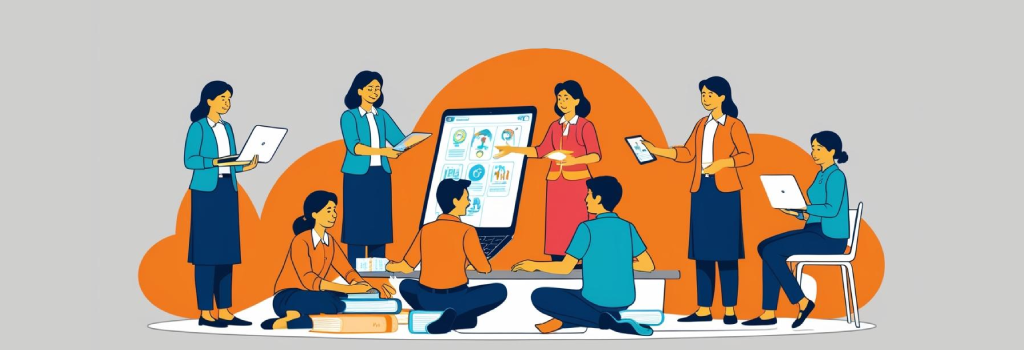
Diverse teachers participating in a professional development workshop, surrounded by laptops and tablets, engaging in collaborative learning for continuous learning and skill enhancement.dxc

Why Teachers Should Embrace Continuous Learning

In an ever-evolving education landscape, continuous learning is vital for teachers to stay adaptable and effective. This blog explores how embracing lifelong learning enhances teaching methods, supports student success, and ensures educators are prepared for the future of education.

Read More
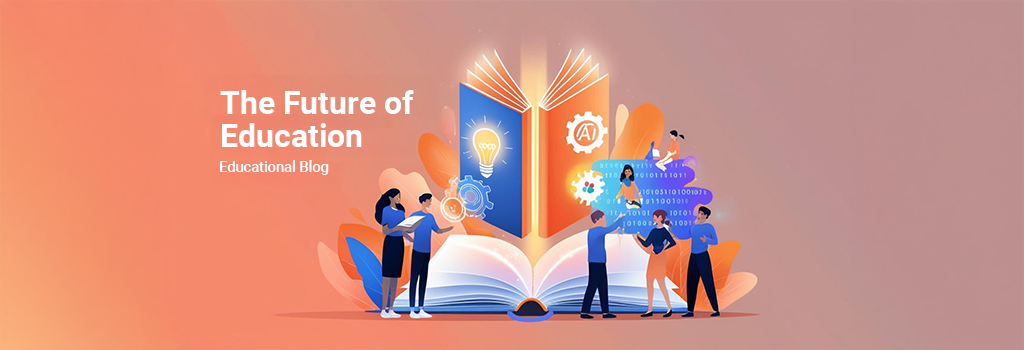
"Futuristic educational blog cover design with an orange base, featuring abstract graphics of digital books, AI-driven learning tools, and icons for critical thinking, collaboration, and creativity. Title text reads 'The Future of Education.' Perfect for promoting 21st-century skills and adaptive learning."dxc

The Future of Education: Trends Shaping Future Readiness 

Education is evolving rapidly, and preparing students for an unpredictable future requires innovation and adaptability. This blog explores key trends shaping the future of education, including 21st-century skills, adaptive learning models, and professional development for educators. Learn how Zamit’s iTERM and the CIFR framework empower teachers to create future-ready students, bridging the gap between classroom learning and real-world applications.

Read More
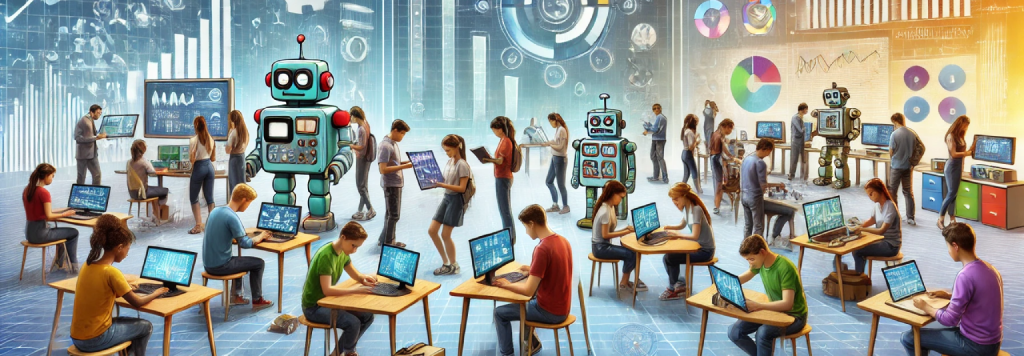
A futuristic classroom setting showcasing diverse students engaging in coding, robotics, and digital collaboration. The scene features modern tools like VR headsets, holographic displays, and digital screens with graphs, highlighting 21st-century skills and future readiness. #zamitone #futureReadiness #21stCenturySkills #EducationInnovationdxc

Measuring Future Readiness: Tools and Techniques

In a rapidly changing world, preparing students for the future requires more than traditional education. This blog delves into the importance of 21st-century skills like critical thinking, adaptability, and creativity. Explore innovative frameworks such as CIFR, tools like digital portfolios and AI-driven analytics, and strategies including experiential learning and technology integration. Discover how educators can measure and cultivate future readiness, empowering students to thrive in a dynamic global landscape.

Read More
Illustration of a futuristic classroom with a teacher guiding diverse students engaged in activities like using advanced technology, group discussions, and creative projects, featuring holographic screens and a collaborative atmosphere, symbolizing innovation and future readiness in education. #FutureReadiness #21stCenturySkills #EducationInnovation #HolisticLearning #ModernClassroom #TeachingExcellence #StudentSuccess #FuturisticEducationdxc

Future Readiness: The Role of Teachers in Shaping Tomorrow

Teachers are the architects of tomorrow, equipping students with essential 21st-century skills like critical thinking, adaptability, and emotional intelligence. This blog explores how educators foster holistic development, implement innovative assessment methods, and prepare learners to excel in an ever-evolving global landscape. Discover how teaching excellence shapes a brighter, more resilient future.

Read More
Illustration of a futuristic school environment featuring diverse students and teachers engaging with advanced technology, including interactive screens, robotics, and digital learning tools. The background showcases global education symbols like a world map and sustainability icons, emphasizing innovation, collaboration, and future readiness.dxc

How Schools Can Foster Future Readiness

How Schools Can Foster Future Readiness  The world is changing at an unprecedented pace, and so is the role of education in preparing students to thrive in this ever-evolving landscape. Schools are no longer just institutions for academic learning; they are the breeding grounds for creativity, resilience, and adaptability—qualities essential for navigating the future. The question is: how can schools ensure their students are truly future-ready?  Building on our earlier discussion in Why Future Readiness Matters for Today’s Students, this blog explores actionable strategies schools can adopt to foster future readiness. From integrating Teacher Development Programs to embracing School Readiness Benchmarking and aligning with Global Education Standards, schools have the power to shape a generation of empowered learners ready to tackle tomorrow’s challenges.  Why Future Readiness Matters  The concept of future readiness extends beyond academics. It’s about equipping students with the skills, values, and mindset necessary to thrive in a dynamic world shaped by technological advances, global interconnectedness, and environmental challenges.  For schools, this means reimagining their approach to education—shifting from rote learning to fostering creativity, critical thinking, and lifelong learning. A future-ready school embraces a holistic vision of education, ensuring students are not just prepared for exams but for life.  1. Elevating Teacher Development Programs  Teachers are at the heart of any school’s efforts to prepare students for the future. To truly foster future readiness, schools must invest in robust Teacher Development Programs that equip educators with the tools to teach and inspire in a rapidly changing world.  2. Embracing School Readiness Benchmarking  To foster future readiness, schools need a clear understanding of where they stand and what needs to improve. This is where School Readiness Benchmarking comes in—a framework for assessing how well a school is preparing its students for the future.  3. Aligning with Global Education Standards  In an interconnected world, students need a global perspective to thrive. Aligning with Global Education Standards ensures schools are preparing students to succeed not just locally but internationally.  4. Leveraging Technology for Future Skills  Technology is a game-changer in fostering future readiness. Schools must embrace digital tools to prepare students for a tech-driven world.  5. Building Partnerships with Communities and Industries  The Role of Holistic Education Assessment  A future-ready school uses Holistic Education Assessment to measure not just academic success but also emotional intelligence, creativity, and problem-solving skills. By evaluating students across these domains, schools can ensure they are nurturing well-rounded individuals.  This approach aligns with the principles discussed in Why Future Readiness Matters for Today’s Students—emphasizing the importance of preparing students to excel in life, not just in exams.  Conclusion: The Future Starts Today  Schools have a profound responsibility to prepare students for a world that is constantly changing. By focusing on Teacher Development Programs, embracing School Readiness Benchmarking, and aligning with Global Education Standards, they can create environments that empower students to lead, innovate, and thrive. Future readiness is not just about ticking boxes; it’s about fostering a mindset of growth, adaptability, and resilience. As educators, parents, and communities, we must come together to ensure today’s students are equipped for tomorrow’s challenges. 

Read More
dxc

Vocational Skills vs. Future-Ready Skills – Understanding the Difference

Vocational Skills vs. Future-Ready Skills – Understanding the Difference  In today’s rapidly evolving world, the concepts of “vocational skills” and “future-ready skills” are often used interchangeably. However, while both sets of skills are crucial for success, they serve distinct purposes and are not the same.   This article aims to clarify the difference between these two types of skills and explain why understanding this distinction is vital for effective education and workforce development.  Why Vocational Skills Alone Are Not Enough  Many people believe mastering a specific trade or profession—what we call “vocational skills”—is sufficient to secure future success. While vocational skills are indeed important, they are only one piece of the puzzle. Being “future-ready” requires a broader set of abilities that go beyond the technical expertise of any single job or industry.   Let’s dive deeper into what each of these terms means and how they differ.  What are Vocational Skills?  Vocational skills refer to the specific, practical abilities and knowledge needed to perform tasks and responsibilities within a particular job or industry. These skills are focused, role-specific, and technical, and are designed to prepare individuals for specific roles in the workforce.  Examples of Vocational Skills:  These skills are essential for performing specific jobs effectively. For instance, a carpenter needs to know how to use tools and read blueprints, while a nurse must be skilled in patient-care and medical procedures.  What are Future-Ready Skills?  Future-ready skills, on the other hand, encompass a broader set of competencies, mindsets, and abilities that prepare individuals to adapt to and thrive in an ever-changing world. These skills go beyond technical know-how, focusing instead on adaptability, problem-solving, innovation, and continuous learning.  Examples of Future-Ready Skills:  These skills are not tied to any one profession. Instead, they are essential for navigating the complexities of the modern world, where change is constant, and unpredictability is the norm.  The Relationship Between Vocational and Future-Ready Skills  While there is some overlap between vocational and future-ready skills—particularly in areas like problem-solving and technical proficiency—the key difference lies in their scope and application.   For example, while knowing how to program in Python is a vocational skill, the ability to continuously learn new programming languages and adapt to emerging technologies is a future-ready skill.  Why the Distinction Matters  Understanding the difference between vocational and future-ready skills is crucial for both educators and learners.   Focusing solely on vocational skills might prepare individuals for a specific job, but it may not equip them to handle the broader challenges of a rapidly changing world.   On the other hand, cultivating future-ready skills can ensure that individuals are not only capable of performing their current jobs but are also prepared to adapt to new roles, industries, and opportunities as they arise.  Conclusion  While vocational skills are important, they are not enough on their own. To truly prepare for the future, individuals must also develop a range of future-ready skills that will enable them to thrive in an uncertain and dynamic world.   By understanding and embracing this distinction, we can better equip ourselves and others for the challenges and opportunities of tomorrow. 

Read More
dxc

From Good to Great: Why Teachers Should Embrace Continuous Learning

From Good to Great: Why Teachers Should Embrace Continuous Learning  Imagine stepping into a classroom where every lesson feels fresh, every strategy clicks, and students are not just engaged—they are thriving. This dream can become reality with one crucial mindset: continuous learning. For teachers, it’s not just about professional development—it’s about transforming average teaching into unforgettable experiences that prepare students to be Future Ready.  The Ever-Evolving Role of Teachers  Teaching is a deeply rewarding profession, but it’s also one of the most demanding. The education landscape is constantly changing with new technologies, teaching methods, and the evolving needs of students. To stay ahead of the curve and ensure that students are Future Ready, teachers must embrace lifelong learning.  Platforms like Zamit.one are revolutionizing how teachers access professional development, offering personalized resources to help educators grow in their careers. By integrating Zamit, educators can stay updated on the latest teaching methods and educational innovations.  Continuous learning is more than a buzzword—it’s the fuel that powers growth, enhances student success, and renews a teacher’s passion for education. Let’s explore why continuous learning should be a top priority for every educator!  Why Teachers Need Continuous Learning  Think of continuous learning as a superpower. It helps you enhance your teaching strategies and connect with students on a deeper level. Picture discovering a new technique that simplifies complex topics and lights up your students’ faces with understanding. That’s the kind of magic continuous learning can bring to your classroom, ensuring students are equipped with skills that make them Future Ready.  It also reignites the passion that drew you to teaching in the first place. In the day-to-day grind of lesson planning and grading, it’s easy to feel overwhelmed. But when you try something new, and it works, the sense of accomplishment is revitalizing.  Staying curious also keeps you ready for the future. Each new concept—whether it’s education technology, pedagogy, or psychology—becomes another tool in your toolkit. You’ll be equipped to inspire and engage students of all learning styles, helping them become Future Ready. And let’s not forget about the pace of technological change. From interactive learning apps to AI-driven lesson plans, new tools are emerging constantly. By embracing continuous learning and using resources like Zamit, you’ll be equipped to use these technologies effectively and ensure your students are receiving the best possible education.  How to Start Your Continuous Learning Journey  Ready to jump into continuous learning? There are countless ways to start:  Overcoming the Challenges of Continuous Learning  Embracing continuous learning isn’t without challenges. The biggest obstacle? Time. Between lesson planning, grading, and managing your classroom, finding time for professional development can feel impossible. But even just 15 minutes a day can make a difference. Platforms like Zamit.one offer bite-sized courses and resources that you can easily integrate into your routine.  Another hurdle is the fear of change. Trying new teaching techniques or technologies can feel intimidating. But remember—growth happens outside of your comfort zone. Consider new methods as opportunities to improve, not obstacles to overcome.  Finally, balance is key. It’s easy to feel overwhelmed, so choose topics that excite you and find moments when you can focus without distractions. Surround yourself with a supportive network of colleagues who are also committed to growth—together, you can create a culture of continuous learning.  Conclusion  Continuous learning is not just beneficial—it’s essential for preparing both teachers and students to be Future Ready. By staying curious and committed to growth, you’ll not only improve your teaching but also enhance your students’ learning experiences. Platforms like Zamit.one provide the tools and resources needed to stay at the forefront of educational advancements.  When teachers grow, students thrive.  Let’s embrace the journey of lifelong learning and transform our classrooms from good to great   ✨ Keep learning, keep growing, and success will follow.  #ContinuousLearning #LifelongLearner #TeachingExcellence 

Read More