To stay relevant, learning must also unlearn—unlearn the overdependence on rote memorisation, the idea that marks alone predict success, and the belief that career readiness begins only in college.
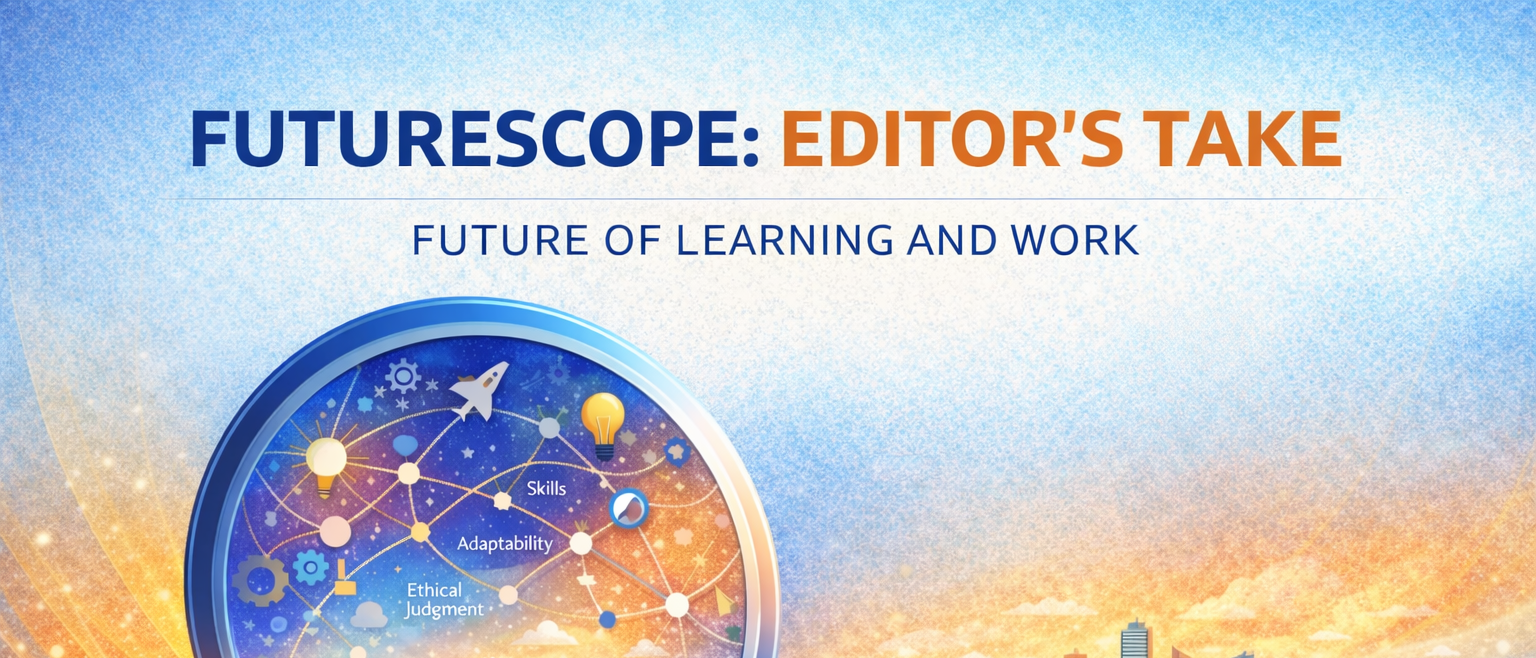
FUTURESCOPE: EDITOR’S TAKE

To stay relevant, learning must also unlearn—unlearn the overdependence on rote memorisation, the idea that marks alone predict success, and the belief that career readiness begins only in college.
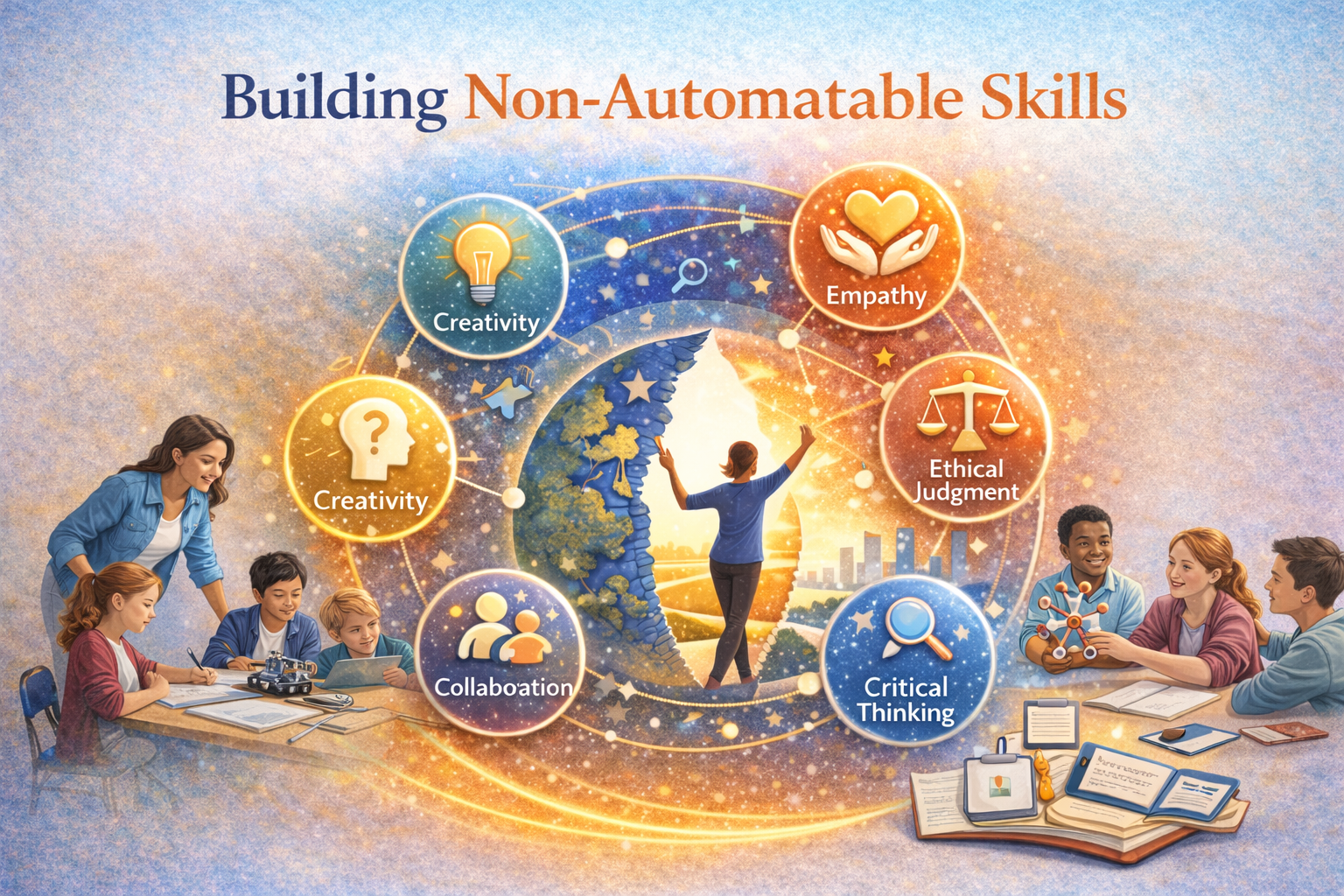
Future skills can be embedded within the existing syllabus, not added as extra content. The same lesson can build multiple capabilities depending on the approach. For example, a history chapter can include source analysis and debate, a science experiment can emphasise hypothesis-building and teamwork, and a language lesson can focus on communication and perspective-taking.
Immersive technology is not impressive because it is virtual—it is powerful because it can make learners feel present. The most effective AR and VR experiences in schools are built on understanding the learner’s perspective: their age, attention span, fears, and motivations. Whether you are designing a virtual science lab or a historical reconstruction, empathy and narrative thinking determine whether technology becomes transformative or just flashy.
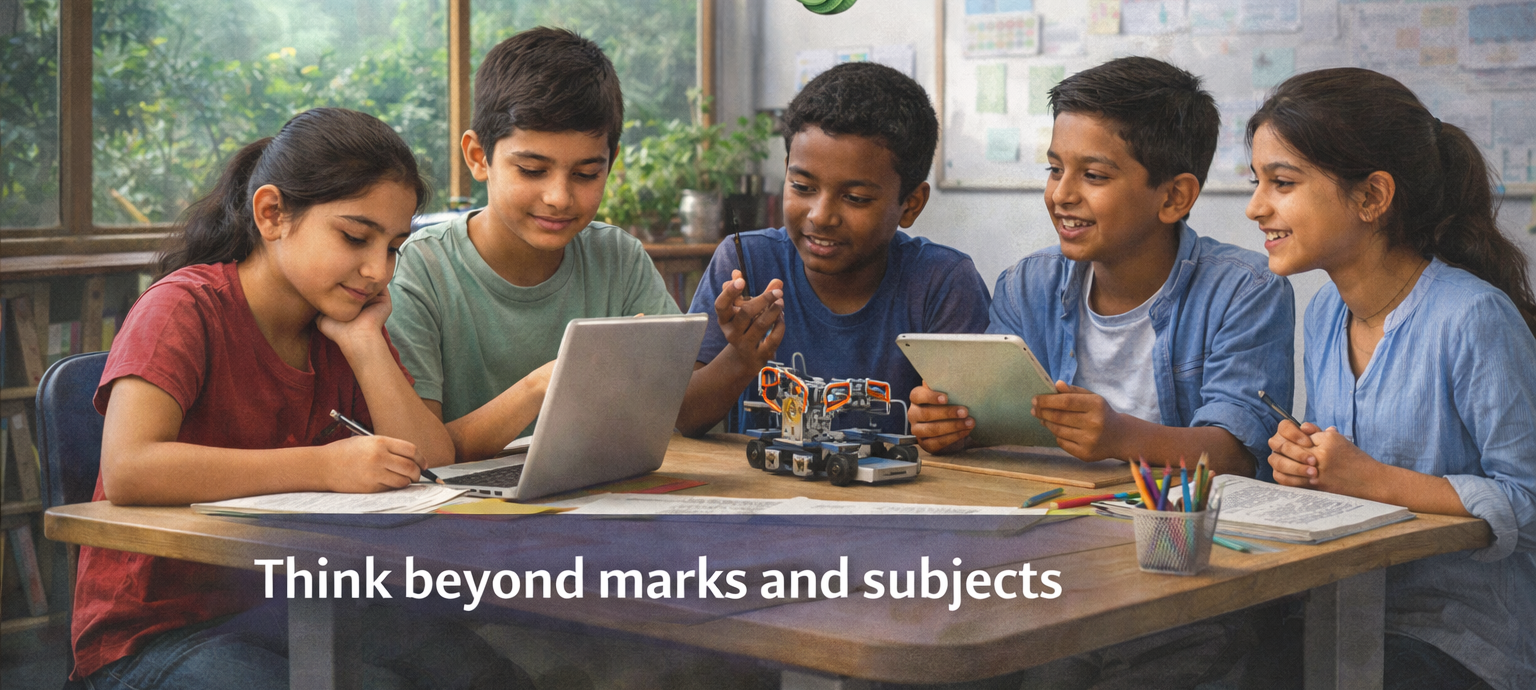
Success is no longer about choosing the right stream once. It’s about building transferable skills across disciplines and allowing exploration, iteration, and course correction without fear of failure.
Think you’re future-ready? Let’s find out — but not with another boring test.
What follows is a set of quick puzzles, riddles, and brain-teasers built around the skills and ideas that will actually matter in the years ahead: no marks, no pressure, no “right stream” required.
Grab a pen, challenge a friend if you want, and see how your mind works when the textbook is closed.
Ready? Let’s go.