
October 20, 2025
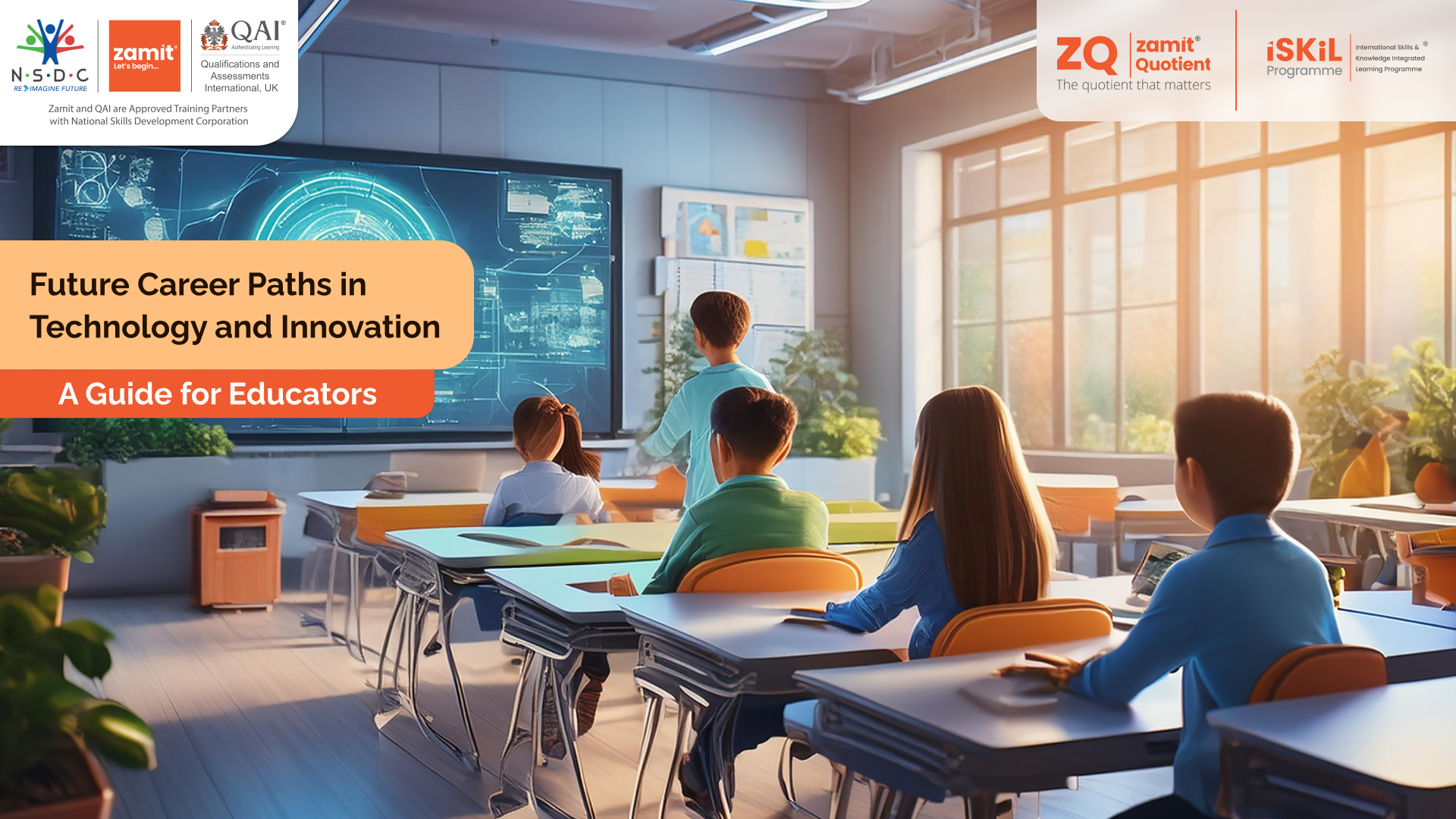
The world of work is undergoing one of the most rapid transformations in history, driven by advances in technology and innovation. According to the World Economic Forum’s Future of Jobs Report, nearly half of all current job roles are expected to be reshaped by automation, artificial intelligence (AI), and emerging technologies over the next decade. For educators, this means preparing today’s learners with the future skills for students that will enable them to thrive in tomorrow’s competitive job market. Understanding the top future career paths in technology and innovation is the first step toward building future-ready students.
The World Economic Forum highlights that careers in fields like AI, cloud computing, data science, cybersecurity, biotechnology, and renewable energy are poised to grow significantly. At the same time, roles requiring creative problem-solving, adaptability, and critical thinking will remain in demand.
This is why identifying future career paths early is essential. Educators who equip students with both technical literacy and 21st-century skills give them the agility to adapt to roles that may not even exist yet. The importance of 21st-century skills for students—such as collaboration, communication, and ethical decision-making—cannot be overstated.
Some of the most promising future career paths for students include:
AI and ML are transforming industries from healthcare to entertainment. Students interested in this path need analytical skills, coding knowledge, and continuous learning habits. Educators can integrate coding projects and problem-solving exercises to prepare them for this high-demand future career path.
Data is now the backbone of decision-making. One of the most lucrative future career paths lies in data analytics. Students benefit from exposure to statistics, mathematics, and ethical use of data, combined with curiosity and inquiry-based learning.
With digital threats increasing, cybersecurity is among the fastest-growing future career paths. Schools can introduce simulations, coding clubs, and discussions on digital ethics to prepare students for roles safeguarding organizational data.
Sustainability and climate goals are creating demand for renewable energy specialists. This future career path combines science, innovation, and social responsibility. Educators can support students by linking environmental science lessons with real-world sustainability projects.
Healthcare is shifting toward biotechnology, telemedicine, and robotics. Students entering this future career path need both technical expertise and soft skills like empathy and teamwork. Educators can nurture this balance through role-based learning and communication training.
Automation is reshaping industries such as manufacturing, logistics, and education. Robotics is one of the most exciting future career paths, requiring creativity, engineering, and critical thinking. Educators can foster these abilities through project-based STEM activities.
Digital storytelling, UX design, and gaming highlight how creativity and technology intersect. This future career path is ideal for students with artistic inclinations. Teachers can encourage portfolios, creative challenges, and digital fluency to help students thrive.
To succeed in these future career paths, students need more than subject knowledge—they need future readiness. Educators can prepare learners through:
Platforms such as Zamit support this transformation with tools like the Zamit Quotient (ZQ) and iSKiL, enabling schools to benchmark and develop the future skills for students required to excel in technology-driven careers.
Educators are no longer just transmitters of knowledge but facilitators of career readiness. By drawing on global research—such as OECD’s Education 2030 framework and the WEF’s future skills agenda—teachers can help students develop the skills for success that employers consistently rank as top priorities. To support students, teachers themselves must engage in continuous professional development.
To achieve this, schools should:
When educators actively highlight future career paths, students gain the confidence and clarity to pursue meaningful opportunities.
Preparing students for future career paths requires bridging the gap between classroom learning and real-world applications. Schools that embrace partnerships with industries and edtech platforms give students access to mentorship, internships, and authentic learning experiences.
By embedding these practices, educators ensure that students are not just academically capable but also resilient, adaptable, and ready for diverse future career paths in technology and innovation.
Q1. What are the most important 21st-century skills for students?
Critical thinking, adaptability, creativity, collaboration, and digital literacy are essential for success in all future career paths.
Q2. How can educators develop future-ready students?
By integrating project-based learning, fostering resilience, and emphasizing real-world applications, teachers can prepare learners for evolving future career paths.
Q3. Why is holistic education assessment important?
It goes beyond academics, measuring employability and life skills, ensuring students are ready for diverse future career paths.
Q4. Which technology careers are growing the fastest?
Artificial intelligence, machine learning, data science, cybersecurity, biotechnology, renewable energy, and robotics are among the top future career paths.
Q5. How can schools align with global research?
By adopting frameworks like WEF’s Future of Jobs and OECD’s Education 2030, and using platforms like Zamit’s CPD and iTERM, schools can align teaching with global future career paths research.
The future belongs to students prepared for change. By highlighting future career paths in technology and innovation, embedding 21st-century skills into the curriculum, and using holistic assessment, educators empower students to thrive in a rapidly changing world.
Educators who embrace this responsibility are not just teaching—they are shaping the next generation of innovators, leaders, and problem-solvers ready to succeed in the most promising future career paths.