
February 26, 2026
By the time students reach higher education, core learning habits are already formed. Future readiness starts much earlier, in schools where learners first develop confidence, adaptability, and a sense of agency. If we want young people to thrive in an uncertain world, we must stop preparing them for exams alone and start preparing them for change.
For decades, education has been organised around subjects—neatly labelled, timetabled, and assessed. But the future of work is signalling a clear shift: what matters most is not just what students know, but how they think, adapt, collaborate, and create.
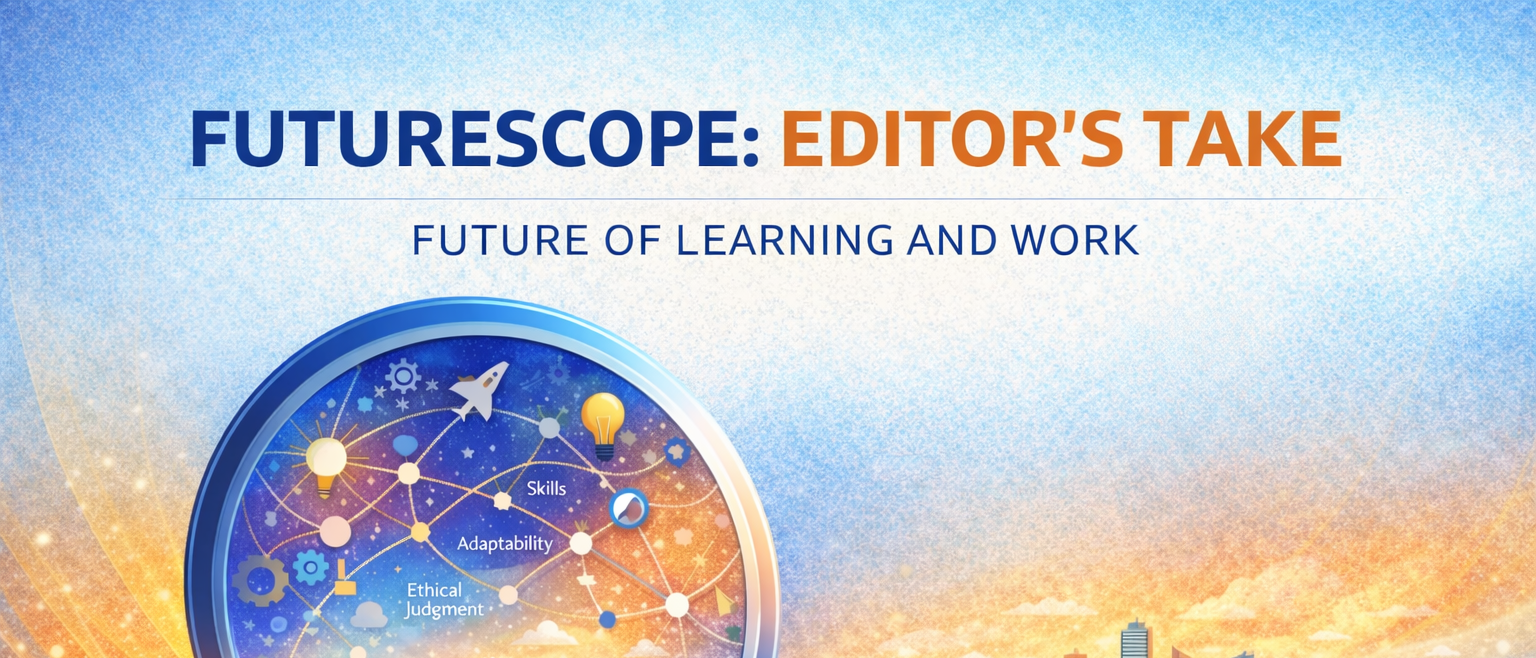
Skills such as problem-solving, curiosity, emotional intelligence, and ethical judgment are becoming as critical as academic knowledge. This does not mean subjects are obsolete; it means they must serve as vehicles to build skills and mindsets that travel across roles, industries, and technologies.