
January 2, 2026
Author: Ms. Jaya Chetwani
Innovation Ambassador
MoE’s Innovation Cell, AICTE CBSE
& Ministry of Education – Government of India,
SPSC Ambassador – UK
Special Educator, Counsellor, Academician &
Reflective Practitioner
When Sheela, a young teacher in a school, first welcomed a class of forty curious faces, she noticed a boy, Aarav, sitting quietly in the last row. Aarav had a mild hearing impairment and often looked lost during lessons. Instead of isolating him, Sheela decided to involve the whole class in his learning. She taught a few signs to the students, created visual aids with recycled materials, and encouraged peer partners for reading exercises. Within months, Aarav became one of the most active participants in class plays. When asked what changed, Sheela smiled and said, “We did not include Aarav; he made us inclusive.”
This simple story mirrors a transformative idea that embracing diversity is not about “helping” a few but strengthening the system for everyone.
The meaning of embracing diversity in professional learning
Inclusive education is not merely a policy directive; it is a professional mindset. According to the National Education Policy (2020), “Education is the single greatest tool for achieving social justice and equality.” The principle of diversity, equity, and inclusion, when embedded within teacher development, creates systems where every learner thrives regardless of socio-economic setbacks, disability, or language barriers.
Professional learning that embraces diversity calls upon teachers to shift from uniform pedagogies to flexible and responsive practices. It encourages educators to reflect on biases, adapt learning environments using Universal Design for Learning (UDL), and collaborate with the community to address the needs of every child.
Inclusive learning as a catalyst for change
A 2023 UNESCO study documented that inclusive classrooms in India improved learning outcomes for students with disabilities by 15%, while also enhancing social cohesion and attendance across the school. Similarly, NCERT and the Ministry of Education emphasise that when inclusion is woven into teacher preparation and school practices, accessibility and belonging increase significantly.
In schools, where diversity of language and background is immense, educators are realising that diversity is not a challenge to be managed but a source of strength, one that fuels collaboration, empathy, and 21st-century competencies.
Strategies that can be adopted for inclusive schools
1. Universal Design for Learning (UDL)
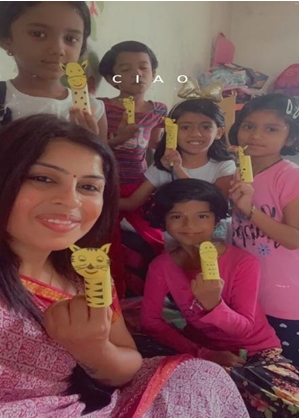
Teachers can create flexible lesson designs allowing multiple means of engagement, representation, and expression.
For example:
➢ Use visuals, local stories, and expressive arts to explain key ideas.
➢ Pair text with audio inputs, helping both
auditory and visual learners.
Such approaches not only support students with disabilities but also benefit multilingual learners common in rural settings.
2. Teacher professional learning communities
Building teacher networks at cluster or block levels fosters collective growth. Many school complexes under Samagra Shiksha have begun regular peer learning circles for special educators and general teachers. They share micro innovations, such as tactile flashcards or low-cost assistive tools made by students themselves.
3. Strengthening parental and community involvement
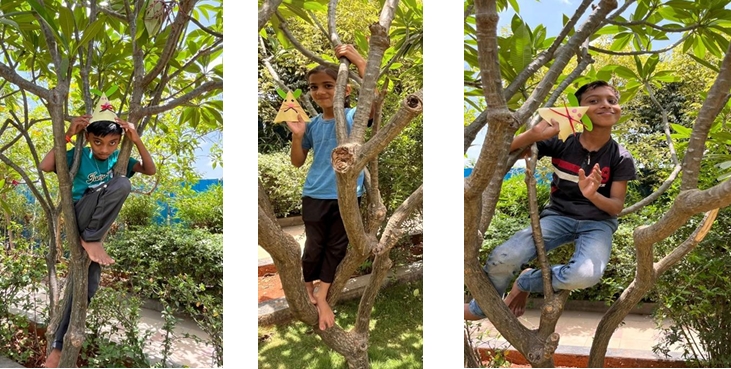
Inclusive education cannot thrive without community participation. Schools can conduct parent sensitisation drives in local languages, share success stories, and organise “open learning days.” Training parents and supporting home-based literacy or maintaining therapy routines transforms schooling into a community responsibility.
4. Leverage digital and low-cost assistive technologies
The PRASHAST screening app developed by NCERT allows early detection of disabilities at the school level. In low-resource settings, digital storytelling, open source text-to-speech tools, or recorded lessons can support differentiated learning. Partnering with NGOs for devices or training ensures sustainability.
5. Inclusive extracurricular and peer mentoring programs
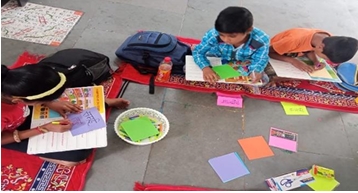
Schools can integrate inclusion beyond academics, through art, sports, drama, and self-expression. Peer buddy systems (where older students mentor diverse learners) promote collaboration and empathy. In some schools, inclusive sports events celebrating mixed-ability teams have become annual traditions.
6. Developing Individualised Education Plans (IEPs)
For children requiring specific supports, IEPs serve as personalised roadmaps connecting classroom strategies, therapy inputs, and parental roles. Teachers can maintain these collaboratively using simple digital formats or notebooks.
Emerging innovative practices
Some schools have introduced
➢ “Community classrooms” where local artisans and grandparents join sessions linking cultural skills to academic concepts, promoting social inclusion.
➢ Created tactile mathematics kits from waste cardboard to teach shape and number recognition to visually impaired learners.
➢ A “buddy story corner” initiative encouraging mixed-age students to read aloud to peers, building confidence and literacy across diverse levels.
➢ These low-cost, community-driven ideas show that innovation in inclusion often starts with empathy.
Educator’s role in inclusive transformation
For teachers, embracing diversity is both a moral and professional responsibility. It requires unlearning rigid teaching moulds and adopting reflective, learner-centred practices. Regular capacity building, exposure visits, and the use of digital platforms like DIKSHA empower rural educators to upgrade continuously.
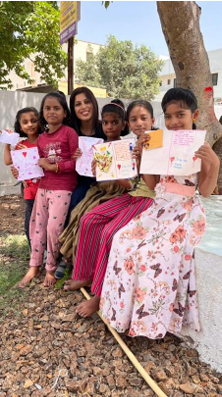
Leadership also matters. School heads who prioritise inclusion in goal setting, allocate time for collaborative planning, and celebrate small successes influence the entire school culture.
Building an inclusive professional learning culture.
To sustain inclusion, professional learning must
become democratic:
➢ Encourage mentoring pairs between mainstream and special educators.
➢ Use action research to investigate what works for diverse learners.
➢ Celebrate teacher-led micro-innovations
through district blogs or exhibitions.
Such professional empowerment not only enhances instructional skills but also gives educators a sense of purpose and pride.
A Call for Empathy, Action, and Reflection
Diversity in professional learning is the foundation of equity in education. As educators, the journey begins with openness to understand every learner, adapt teaching approaches, and walk alongside families.
When a child like Aarav finds belonging, when a teacher like Sheela discovers new possibilities, and when a school sees inclusion not as a requirement but a shared value, the real transformation begins.
In the words of Nelson Mandela, “Education is the most powerful weapon which you can use to change the world.”
Let us use that power not to homogenise learning, but to humanise it to make every classroom an ecosystem where difference is not merely accepted but celebrated.