Career awareness is no longer a Grade 12 conversation. It is moving decisively into middle and senior school. The shift is clear: from marks to mindsets. From memorising content to navigating complexity. From chasing cut-offs to building capability.
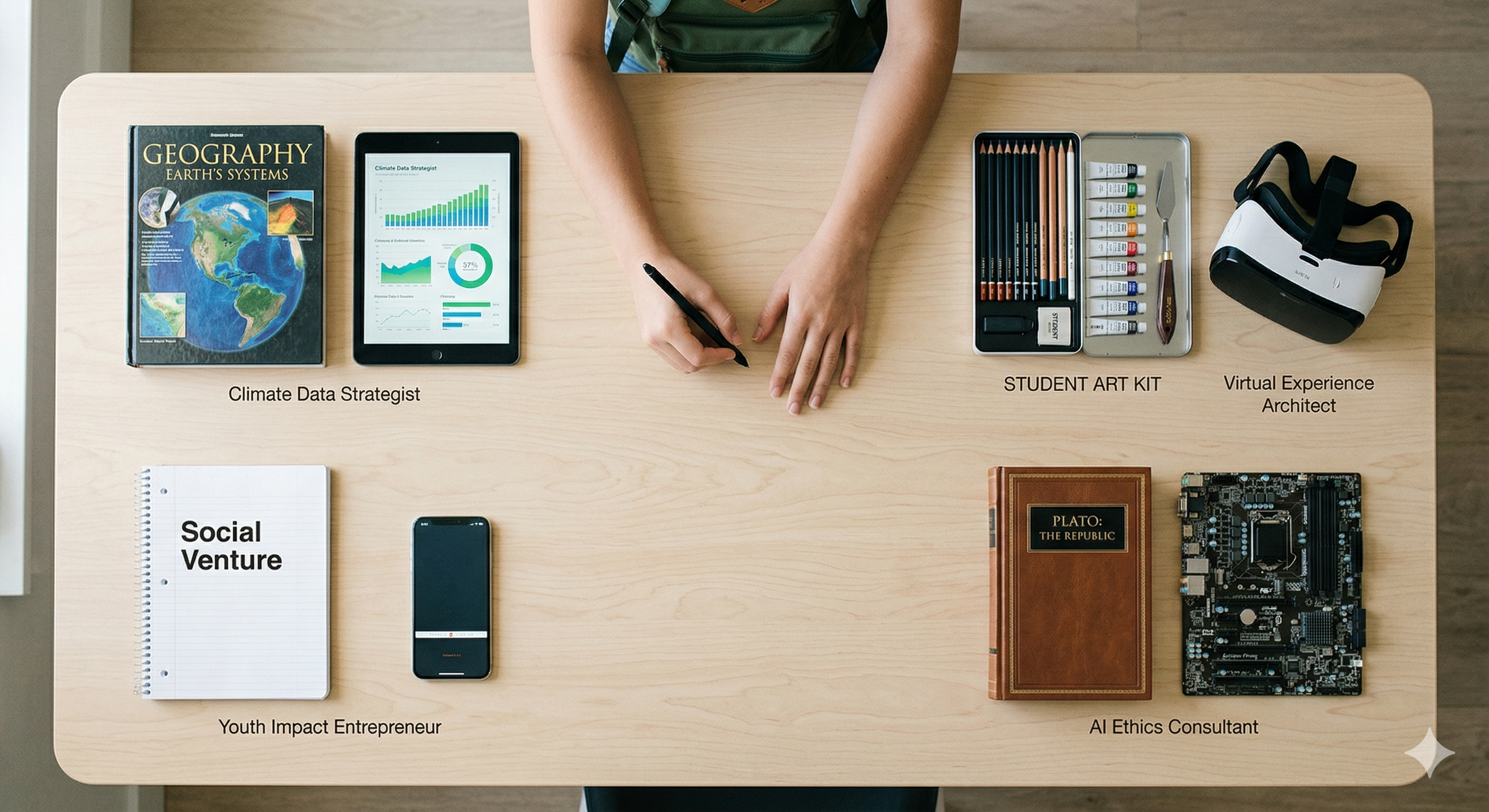
Signals Shaping Tomorrow’s Career Landscape: The future belongs to multi-skilled learners who can connect ideas across disciplines. Future careers will not exist within rigid academic boundaries. Instead, the most valuable professionals will combine knowledge across multiple fields.
For schools, the question is no longer what students should memorise, but what capabilities they must build early.
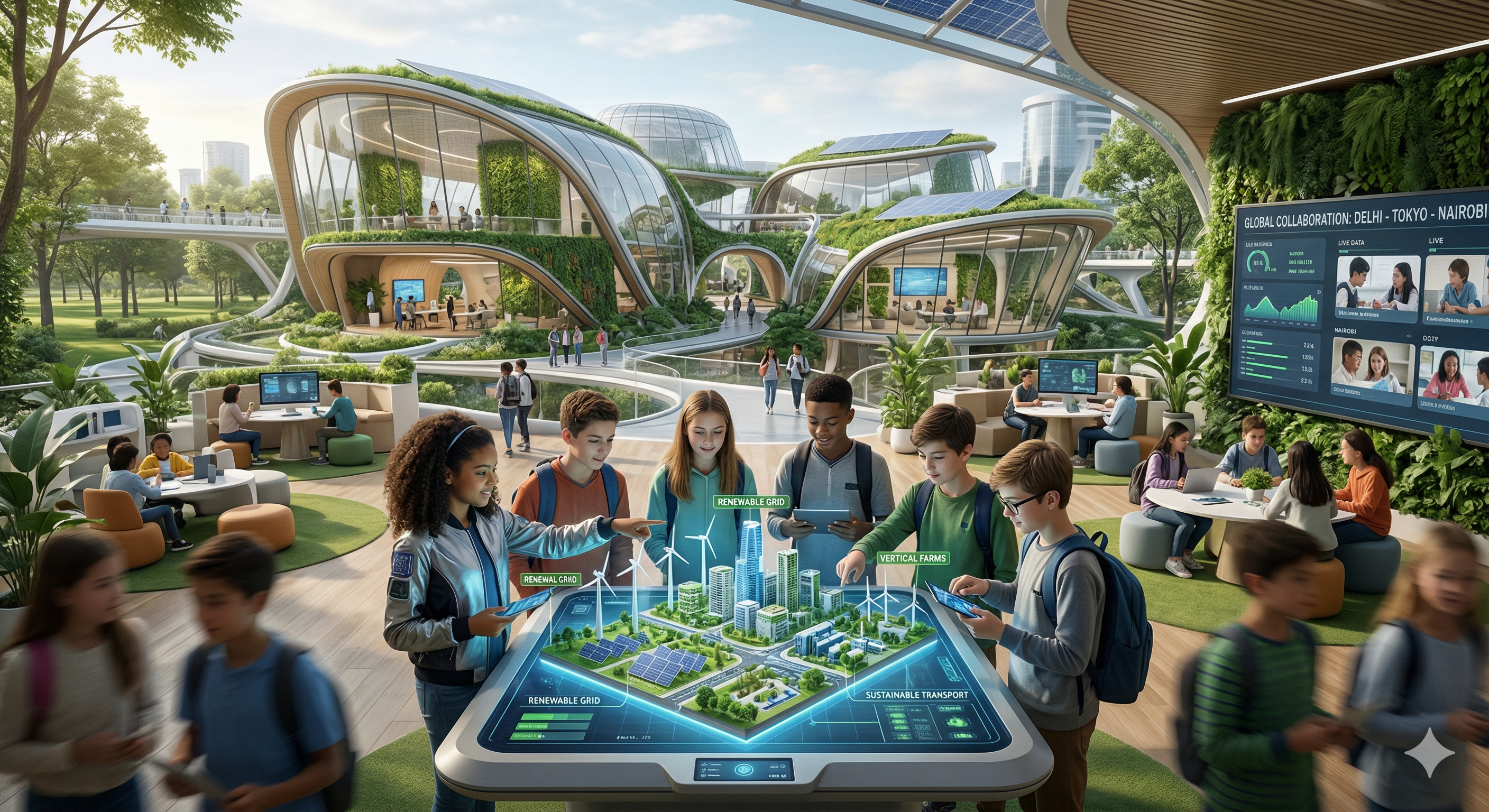
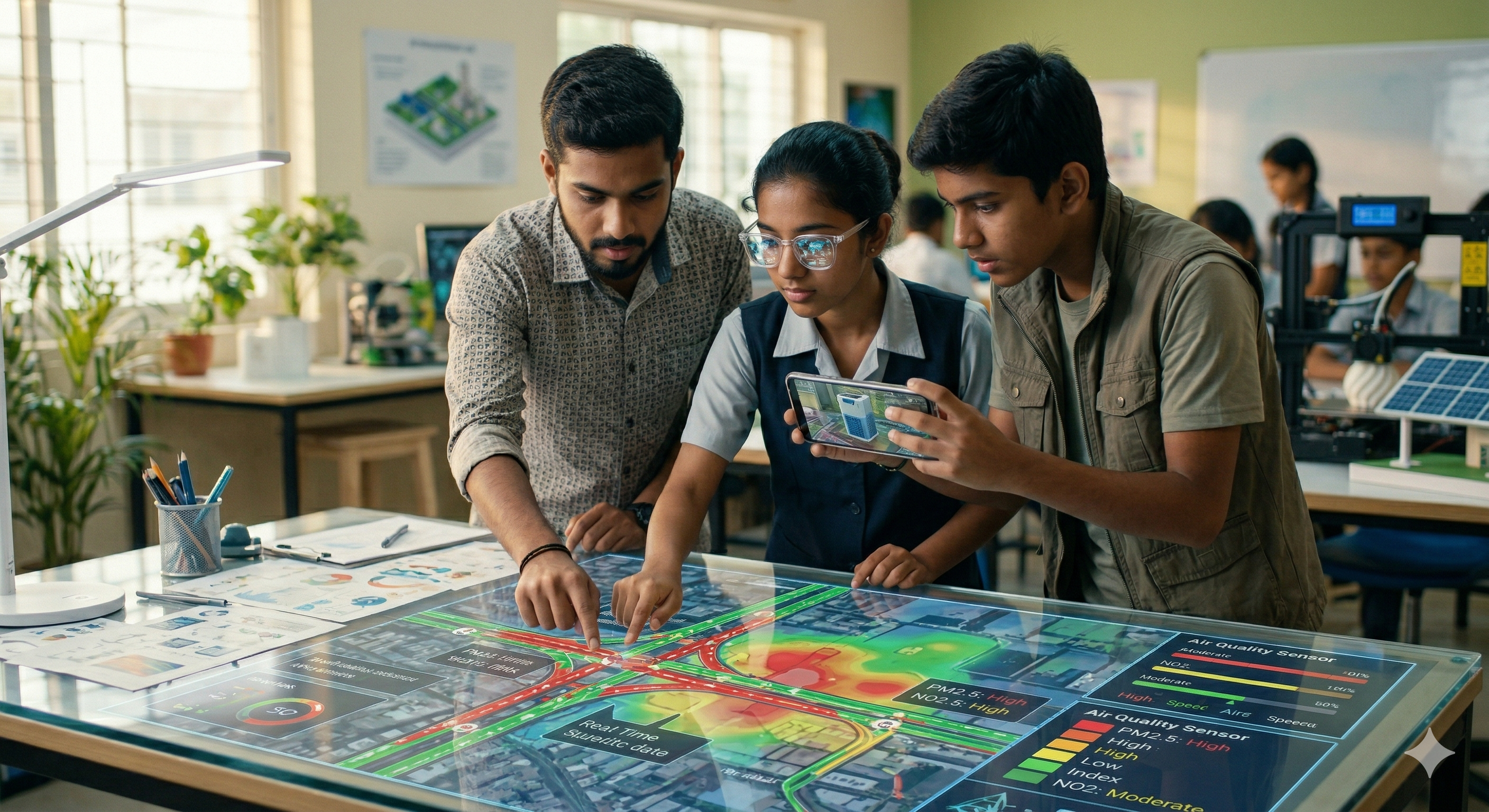
Forward-looking schools are already rethinking teaching strategies—embedding project learning, interdisciplinary thinking, digital creativity, and real-world problem solving into everyday learning.
“Choose a job you love, and you will never have to work a day in your life.” The wisdom of Confucius reminds us that careers are not merely about earning a livelihood but are about aligning passion with purpose. For the young generation of India, stepping out of classrooms into the wider world, this truth is especially relevant. As the future workforce of our nation, students carry both the privilege and responsibility of shaping India’s destiny. Early career guidance is the compass that ensures their journey is not accidental but intentional, helping them discover not just jobs, but callings.
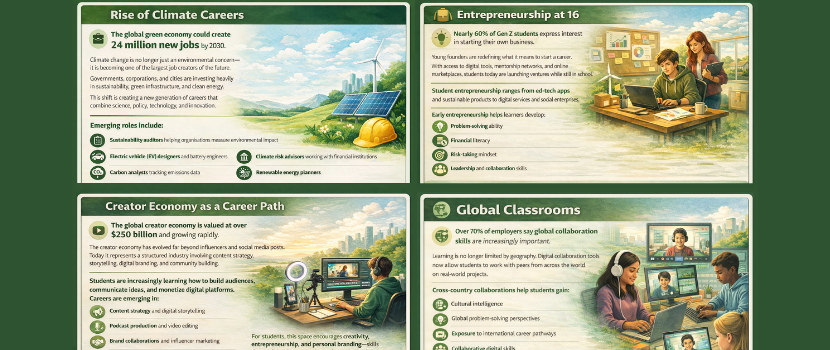
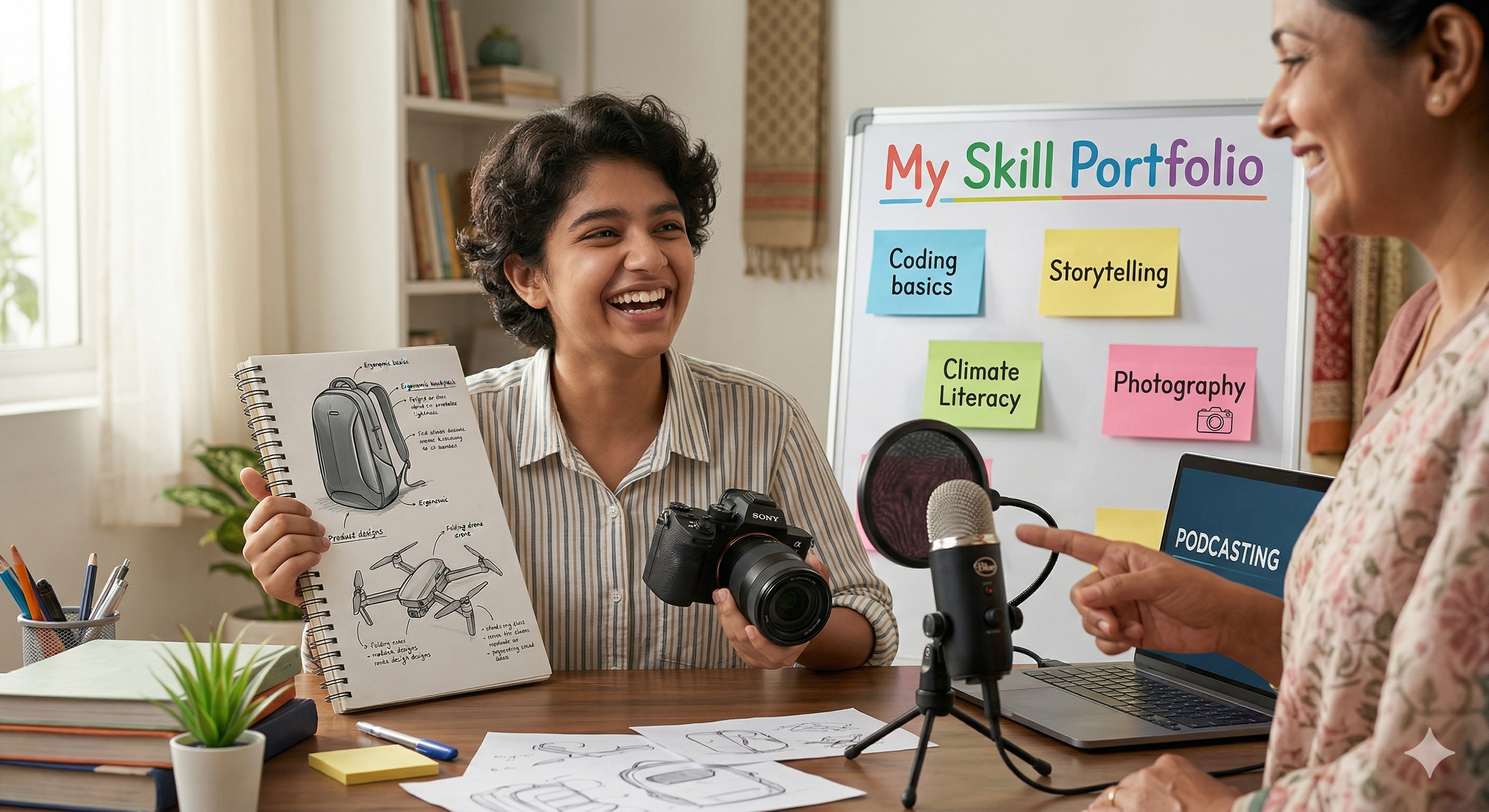
Independent creators — from educators and designers to gamers and storytellers — are building personal brands and businesses online. Today’s students are not just consuming content; they are learning to create, monetise, and influence.
If the future of careers is arriving earlier, the response must begin earlier, too. Preparing learners for a fast-changing world is not the responsibility of one stakeholder alone—it requires schools, parents, and students to rethink how learning, exploration, and skill-building happen from the middle school years onward.
Zamit Thought Starter: The future belongs to learners who stay curious, build diverse skills, and learn to solve real-world problems.