
April 30, 2026
The Career Clock Is Ticking Earlier
The future of work is not waiting for college. It is quietly beginning in school corridors, classrooms, and even on students’ smartphones.
The reality is stark: the career clock is ticking earlier than ever before.
65% of children entering primary school today will work in job roles that do not yet exist.
This widely cited insight from the World Economic Forum highlights a powerful shift: the careers of tomorrow are still being invented.
And the signals are everywhere.
The age of founders is dropping:
Young entrepreneurs are launching startups in their early twenties — and sometimes even in their teens. Access to digital platforms, global mentorship, and venture ecosystems means innovation is no longer gated by age or traditional career paths.
Green jobs are surging globally:
As the world accelerates towards climate action, roles in sustainability, renewable energy, climate data, circular economy design, and environmental technology are expanding rapidly. Entire career pathways around climate solutions are emerging — many of which did not exist a decade ago.
The creator economy is exploding:
Independent creators — from educators and designers to gamers and storytellers — are building personal brands and businesses online. Today’s students are not just consuming content; they are learning to create, monetise, and influence.
Careers are no longer linear:
A student may grow into a climate analyst who codes, a designer who runs a digital business, or a teacher who creates global learning content. The most valuable skill is no longer memorising information — it is learning how to learn, adapt, and build new value.
For schools, this changes the starting line.
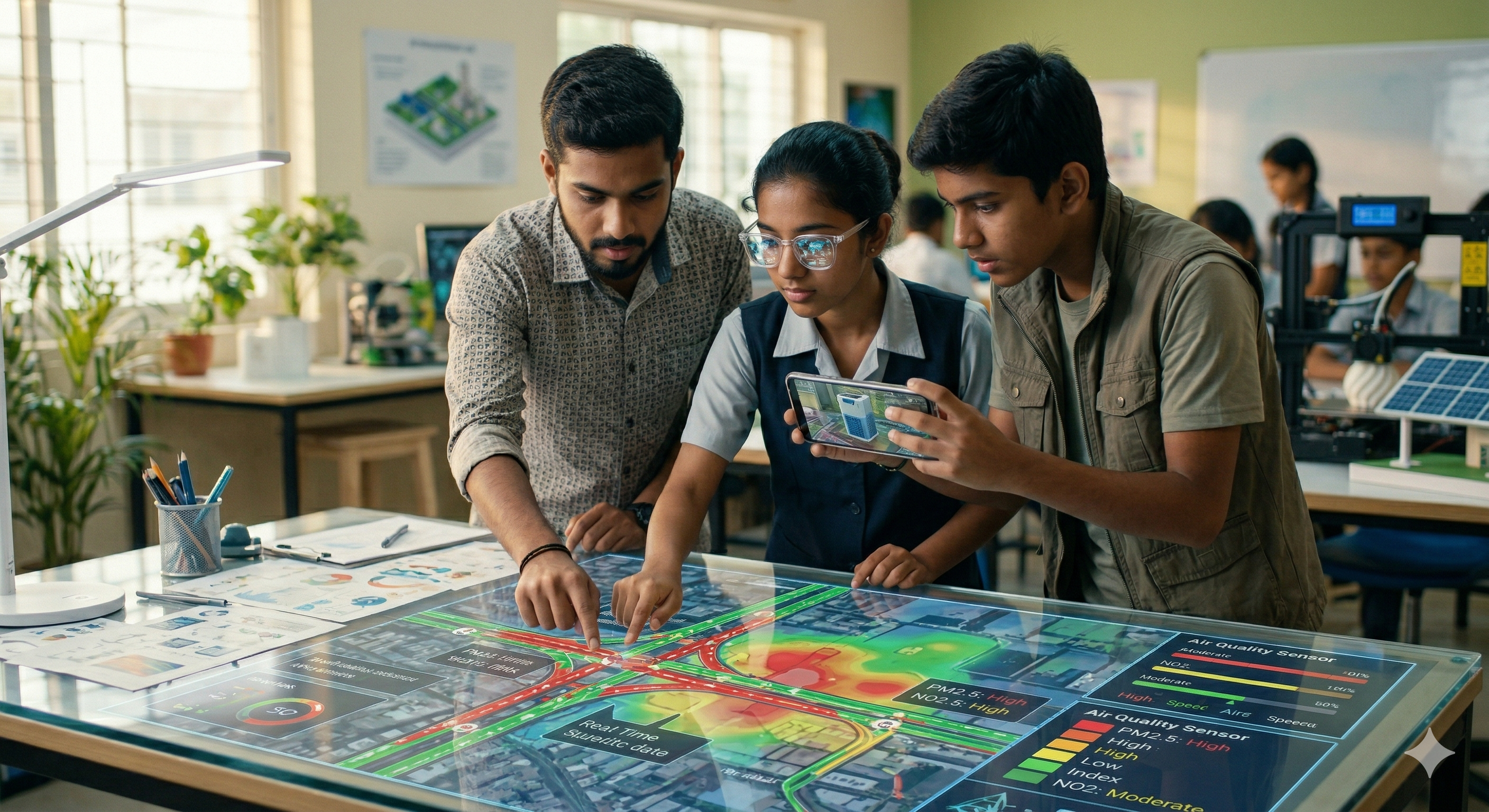
Career readiness can no longer begin in the final years of schooling. By then, mindsets are already shaped. Instead, future readiness must start early — with exposure to problem solving, creativity, interdisciplinary thinking, and real-world challenges.
The takeaway is simple but urgent: The future career journey is beginning earlier — and education must keep pace.
Because by the time the jobs of tomorrow arrive, the learners who will fill them are already sitting in today’s classrooms.